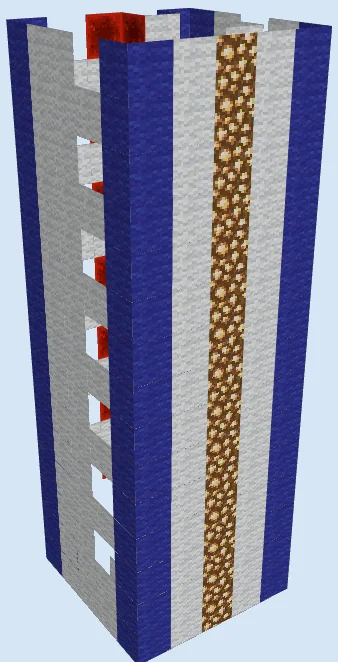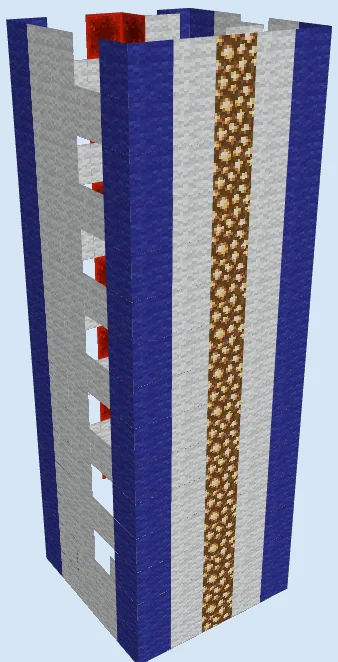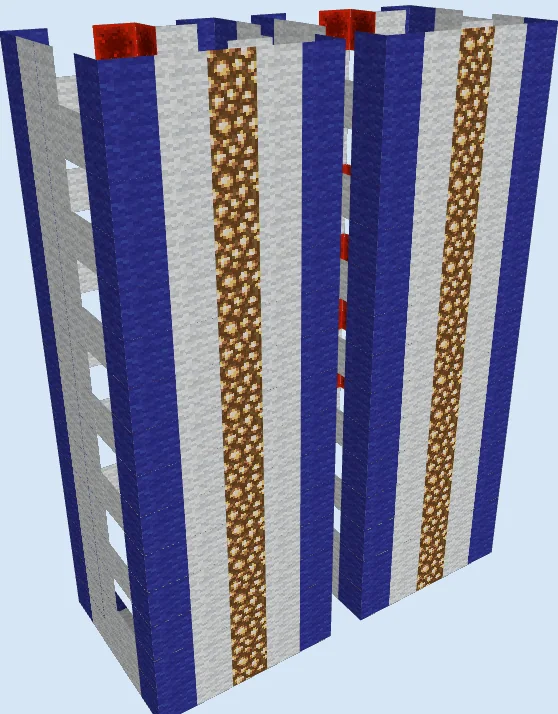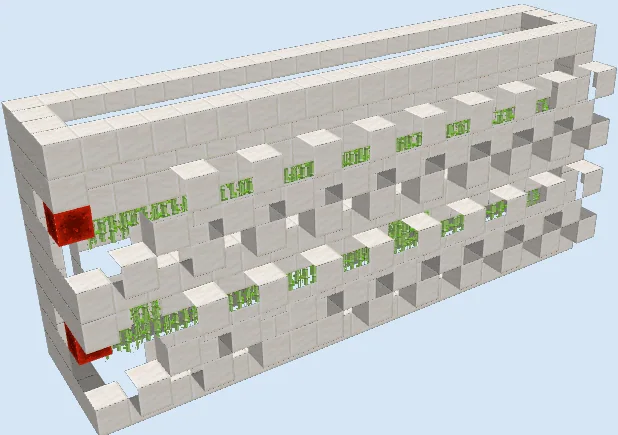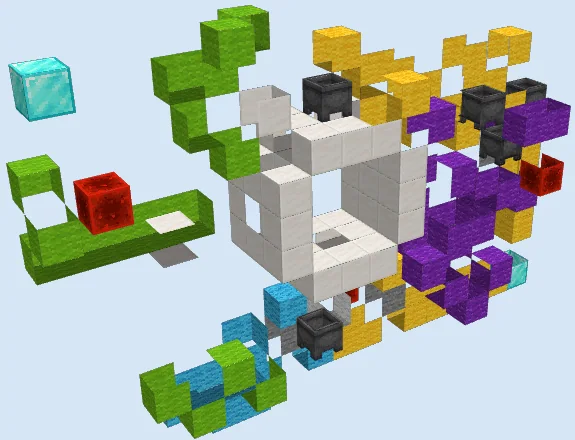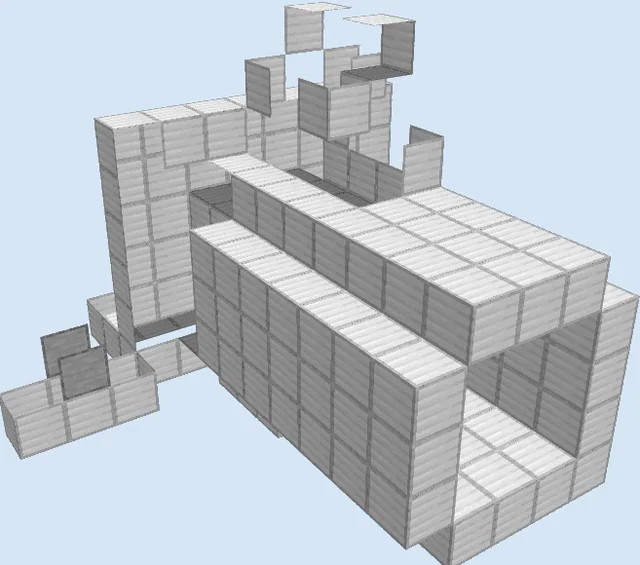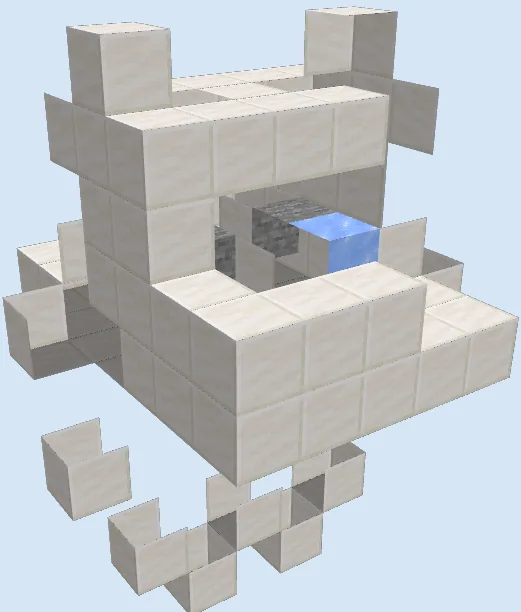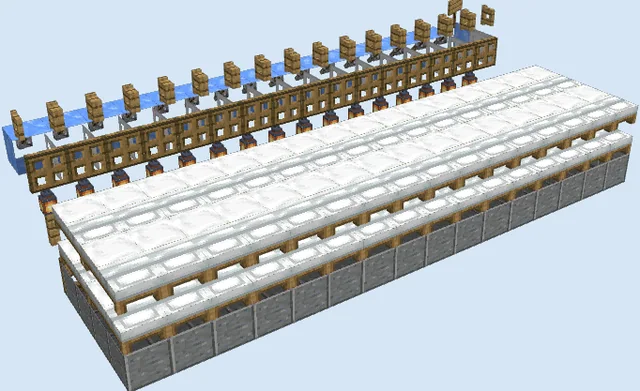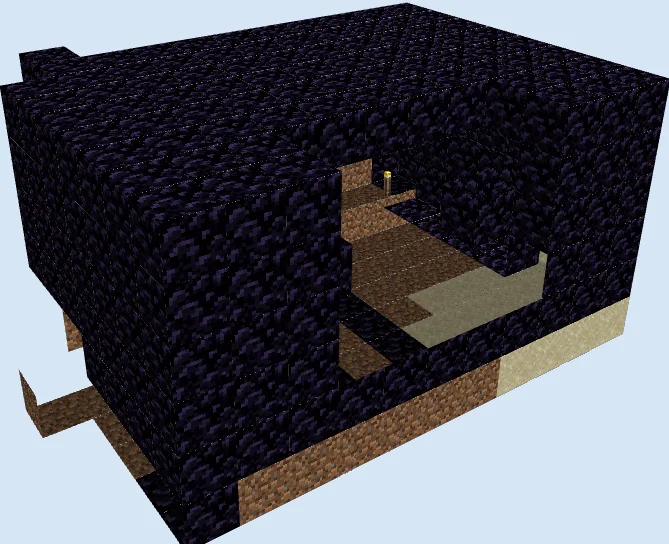
What you are building
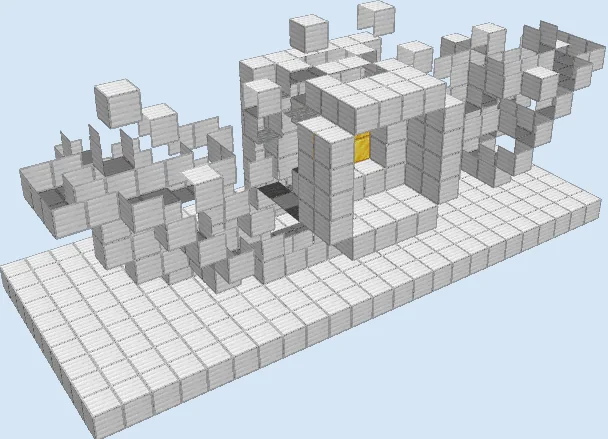
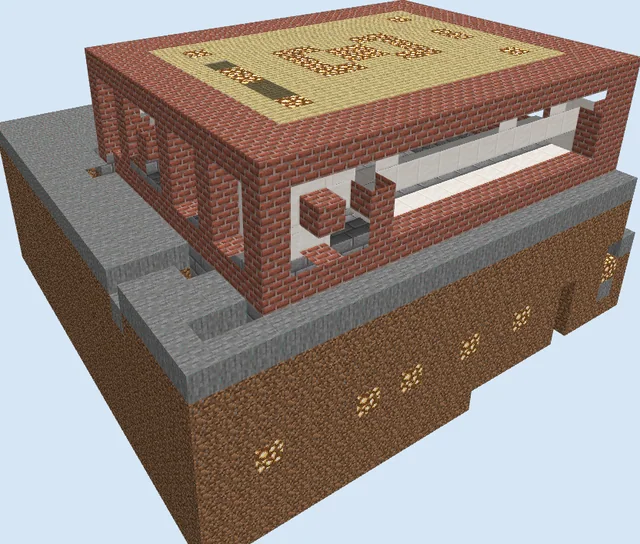
The Enclosed Obsidian Dual TNT Cannon Launcher is a classic heavy artillery build designed to fire explosive charges safely across long distances. Encasing the firing barrels in thick obsidian ensures that any premature detonations are contained without obliterating your surrounding base or redstone components.
This contraption is best built on a flat landscape, an elevated defense wall, or a dedicated testing range with an unobstructed line of fire. Because this is a legacy design, you should test the layout and redstone timings in a creative test world first before building it in survival.
Never place TNT directly onto the water source blocks at the back of the trenches; cutting off the water flow will cause the explosions to destroy the internal wiring.
Because this is a legacy design, test the repeater tick delays in a creative world first to ensure your projectile reaches the desired distance without bursting in mid-air.
Materials 437 blocks · 9 types
- Obsidian2954 stacks + 39
- Dirt51
- Redstone Wire32
- Sand19
- Water19
- Repeater10
- Grass Block8
- Torch2
- Lever1
How it works
The launcher relies on flowing water streams set within parallel obsidian troughs. Primed TNT that is submerged in water deals zero block damage upon exploding, yet still transfers maximum explosive knockback to entities around it. When the lever is triggered, redstone wire ignites the propellant TNT along the water stream, while repeaters delay the signal to the projectile TNT resting at the mouth of the cannon.
The propellant explodes simultaneously, sending the delayed projectile rocketing downrange before it detonates on impact.
How to use it
To operate the cannon, manually place TNT blocks along the water channels, ensuring you do not overwrite the water source blocks, and place a projectile TNT on the forward platform. Flip the lever from behind the protective obsidian shielding to trigger the firing sequence.
Lay the Base and Obsidian Channels
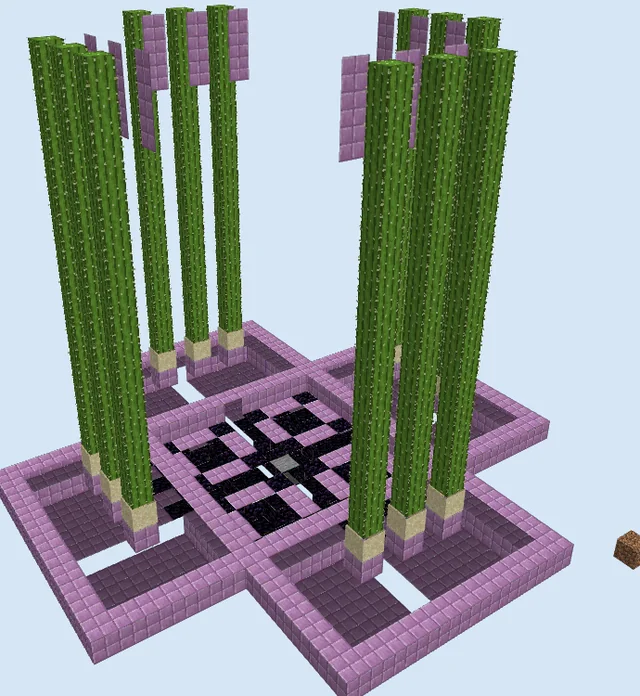
Layers 1–3 of 6Prepare the foundation using dirt, sand, and grass blocks across the build footprint. Construct the interior side walls and dividing partition with obsidian to form two parallel water troughs, then place water along the trenches so it flows forward, adding torches inside the interior walls for visibility.
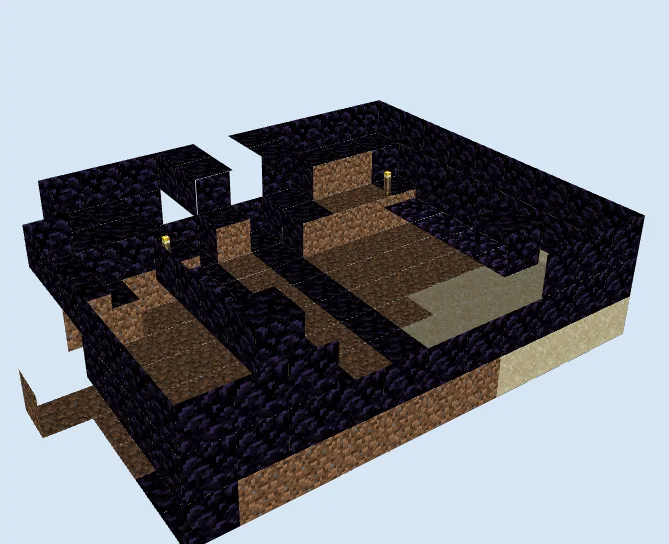
Enclose the Blast Chamber and Wire Redstone
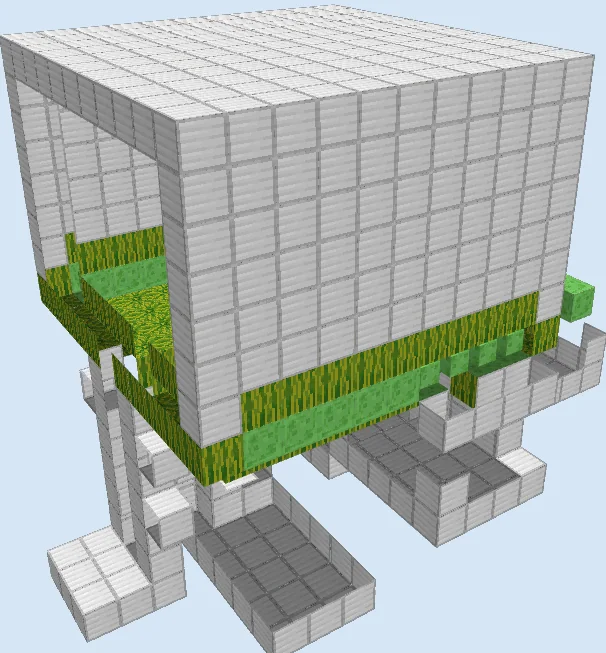
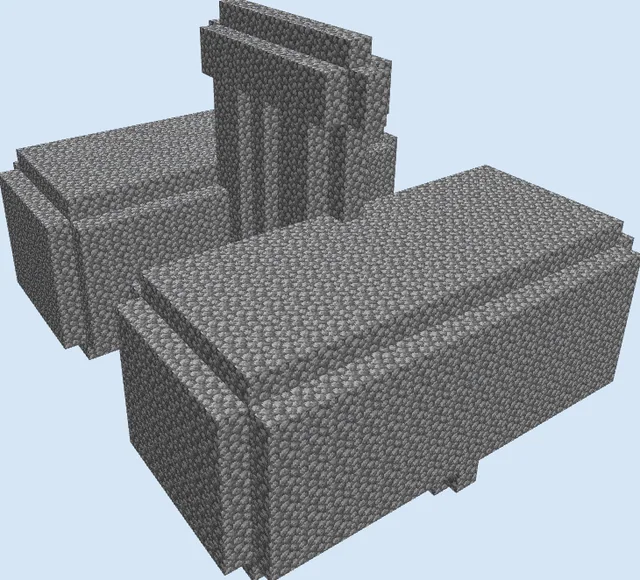
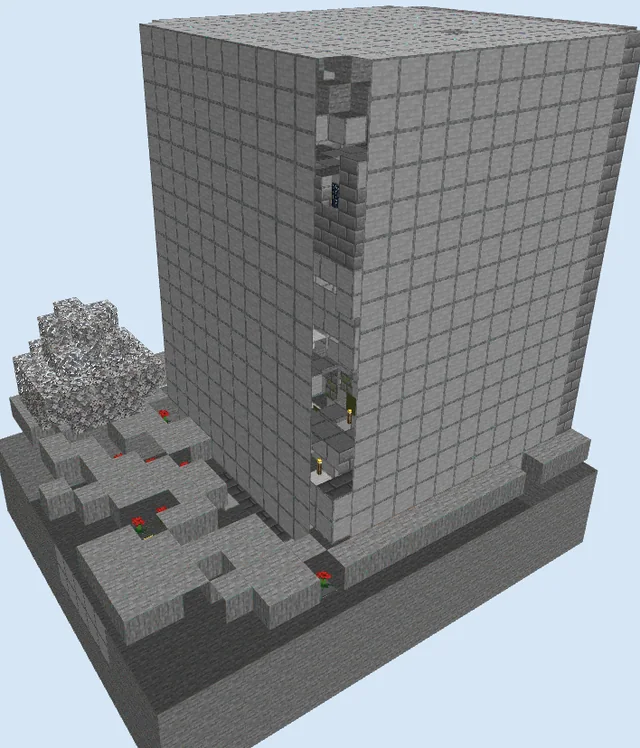
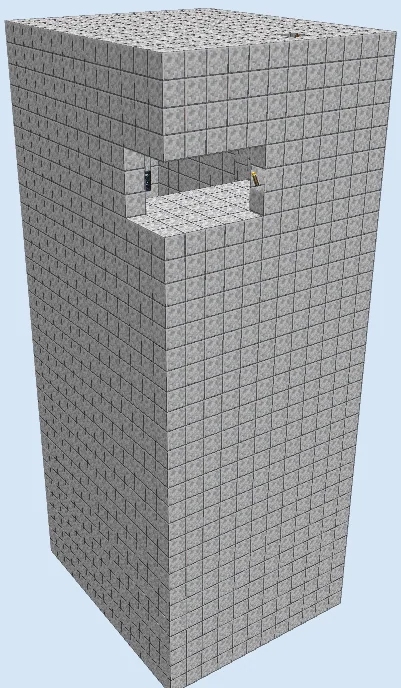
Layers 4–6 of 6Build up the outer walls and heavy ceiling with dense layers of obsidian, completely enclosing both firing bays while keeping the front launch openings clear. Lay redstone wire and repeaters across the structure to establish the timing delays between propellant and projectile, connecting the entire line to the control lever.
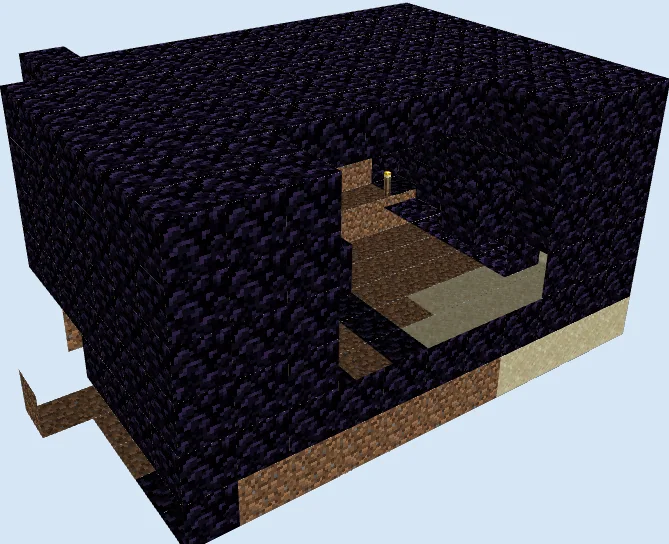
Finishing touches
Before loading explosive blocks, test the circuit dry by flipping the lever to verify that the repeater delays pulse in proper order across both barrels. Ensure water streams are flowing correctly across all propellant slots, and spawn-proof the flat obsidian roof with slabs or torches.
Frequently Asked Questions
Why is the cannon built out of obsidian?
Obsidian has extremely high blast resistance, ensuring the cannon structure survives intact if a timing error causes a blast inside the barrel.
Can I automate the loading process?
This original layout requires manual loading, but you can adapt the water channels to incorporate dispensers if you wish to upgrade it beyond the base schematic.