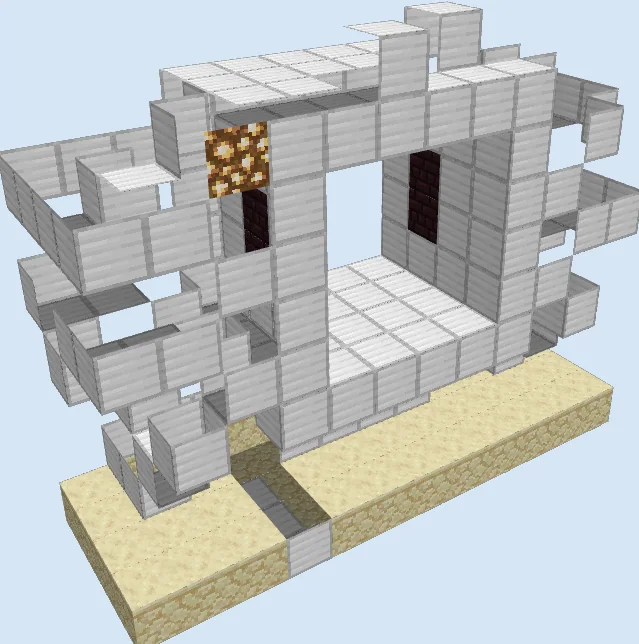
What you are building
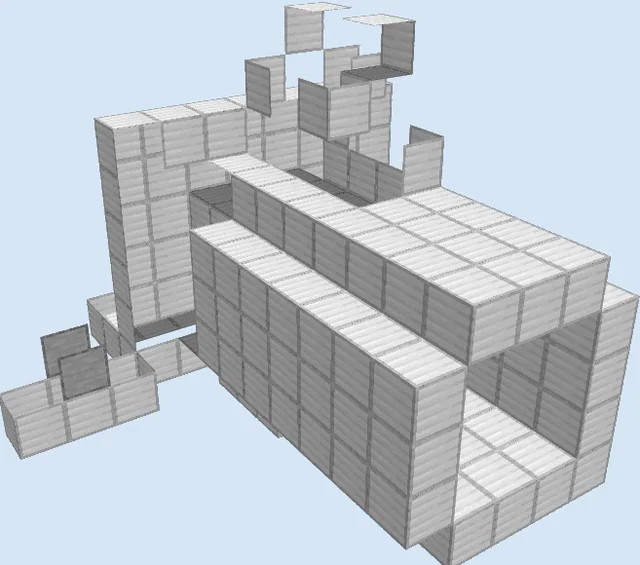
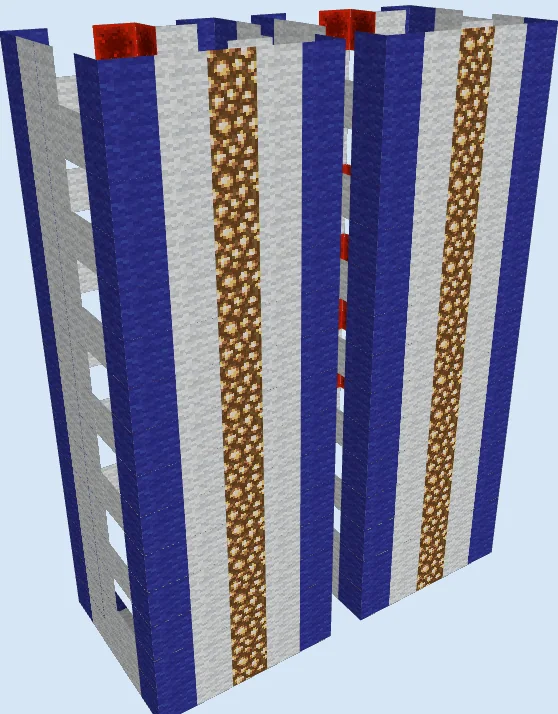
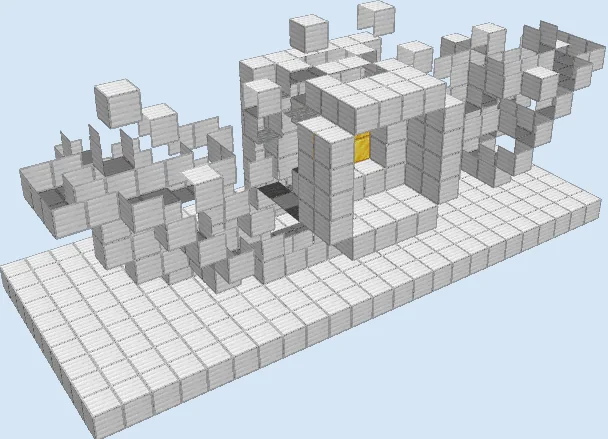
The Compact 4x4 Piston Vault Door is a heavy-duty entrance mechanism engineered to seal a four-by-four passageway completely flush. Built primarily from sturdy iron blocks, sticky pistons, and external redstone circuits, it provides a dramatic, secure barrier suitable for secret bases, subterranean vaults, or treasure rooms.
With a footprint measuring 12 blocks wide, 10 blocks tall, and only 4 blocks deep, this design packs full four-way piston action into a relatively slender profile. It is best installed embedded inside an interior rock wall or bunker bulkhead where the outer redstone wiring tiers can be concealed behind decorative cladding.
This schematic file is from an older game version; although core redstone and piston mechanics remain unchanged, always test the full opening and closing cycle in a creative world before committing materials in survival.
Keep adjacent walls constructed from unmovable blocks like obsidian if you plan to build decorative walls tightly against the piston-arm paths.
Materials 273 blocks · 11 types
- Iron Block1342 stacks + 6
- Redstone Wire48
- Sandstone44
- Sticky Piston20
- Repeater13
- Redstone Torch4
- Nether Bricks4
- Stone Slab2
- Oak Fence Gate2
- Cut Sandstone1
- Glowstone1
How it works
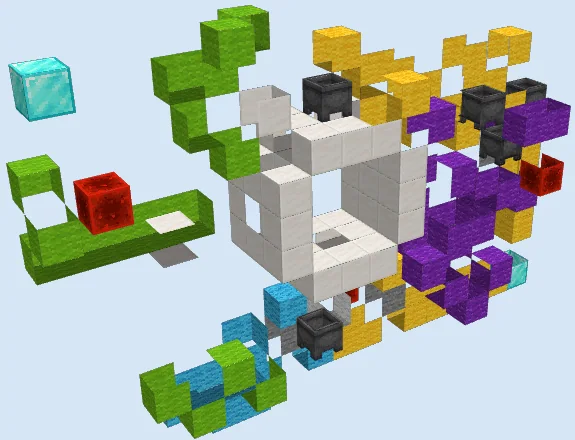
The mechanism functions by coordinating 20 sticky pistons positioned around the perimeter of the central opening. When a signal is fed through the input line, a branching network of redstone wire, repeaters, and redstone torches activates sequentially. Outer pistons push inner pistons into place, which in turn push the door-filling iron blocks into the central 4x4 aperture.
The terraced side wings act as vertical signal buses, using repeaters on designated tick delays to maintain proper timing between piston extension and retraction. A single glowstone block and stone slabs facilitate vertical wire continuity without cutting off adjacent redstone connections.
How to use it
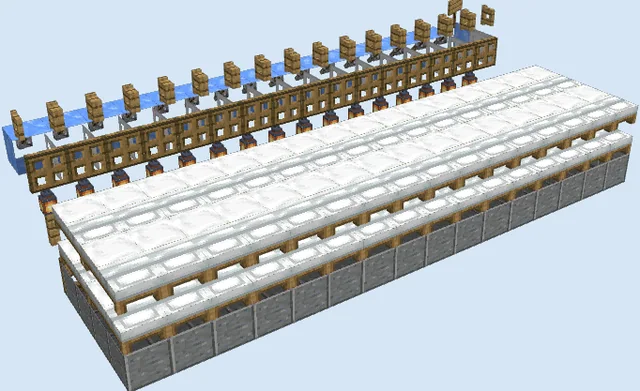
To operate the door, connect an input trigger such as a lever, pressure plate circuit, or button toggle to the lower central redstone line in the bottom trench. Toggling the signal activates the piston sequencing to seal the door shut; toggling it off reverses the delay cycle, smoothly retracting all central blocks back into the surrounding frame.
Dig the Foundation and Lay Bottom Wiring
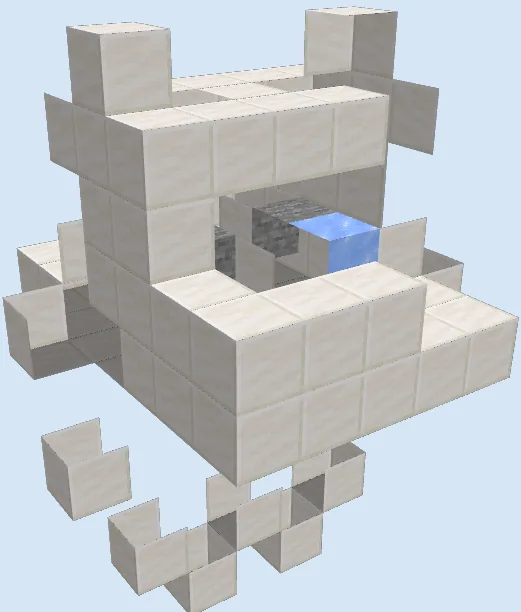
Layers 1–3 of 10Excavate a shallow trench in the sandstone foundation to accommodate the lower input line. Place the bottom iron blocks that establish the outer wings and the lower foundation framework up to layer 3, leaving room for the bottom sticky piston bays and lower repeater lines.
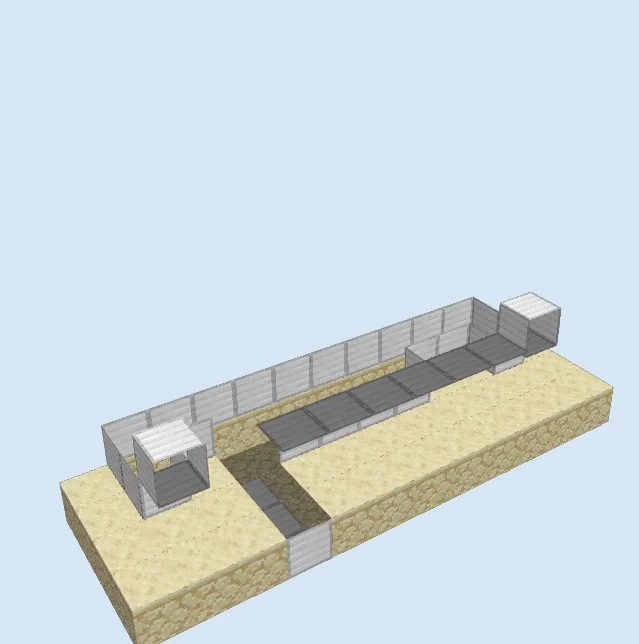
Erect Side Columns and Walkway Platform
Layers 4–6 of 10Extend the vertical columns up to layer 6. Build the central four-wide iron block floor across the passageway, and step out the exterior iron blocks on the left and right flanks into tiered shelves. Place Nether Bricks as circuit markers alongside the inner frame where the side sticky pistons will mount.
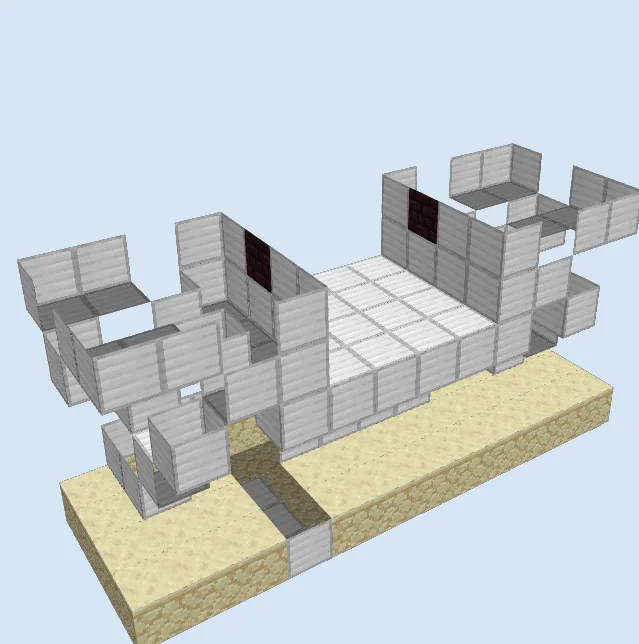
Cap the Upper Arch and Run Wiring
Layers 7–10 of 10Complete layers 7 through 10 by bridging the top archway with iron blocks and installing the upper sticky piston housings. Mount the glowstone block on the upper frame, then lay redstone wire and repeaters across the tiered side steps and roof to wire all piston banks together.
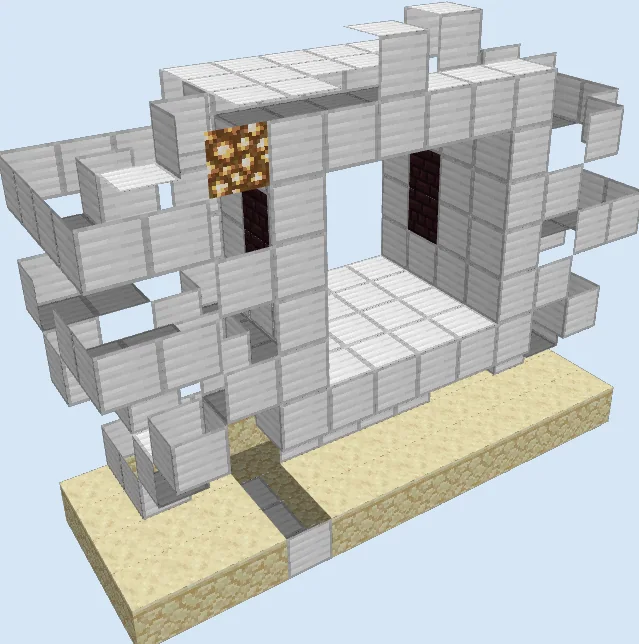
Finishing touches
Run a creative world test of all repeater delays before enclosing the machine, as a single inverted tick can cause sticky pistons to spit or leave blocks behind. Once timing is verified, seal any perimeter gaps and illuminate nearby cavities to prevent hostile mob spawns around the redstone lines.
Frequently Asked Questions
Why are some blocks left behind when the door opens?
If central blocks fail to retract, a repeater delay is misconfigured. Double-check all repeater tick settings on the side staircases to ensure retracting pistons fire after the inner pistons let go.
Can I replace the iron blocks with other materials?
Yes, the central door blocks and structural framing can be swapped for most standard solid blocks, provided they are pushable by pistons and do not stick like slime or honey blocks.