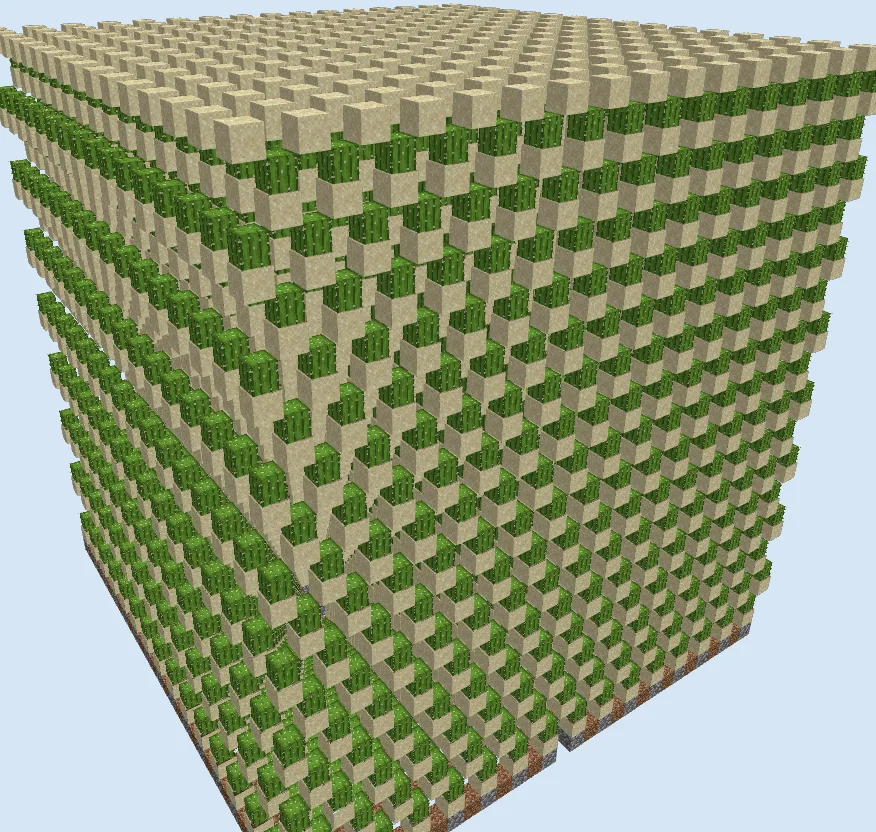
What you are building
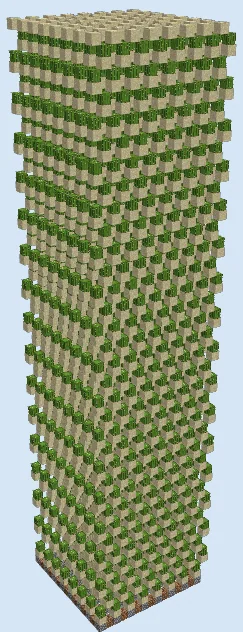
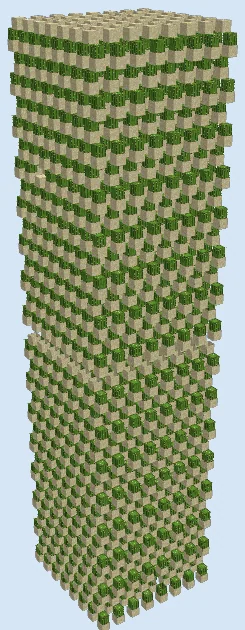
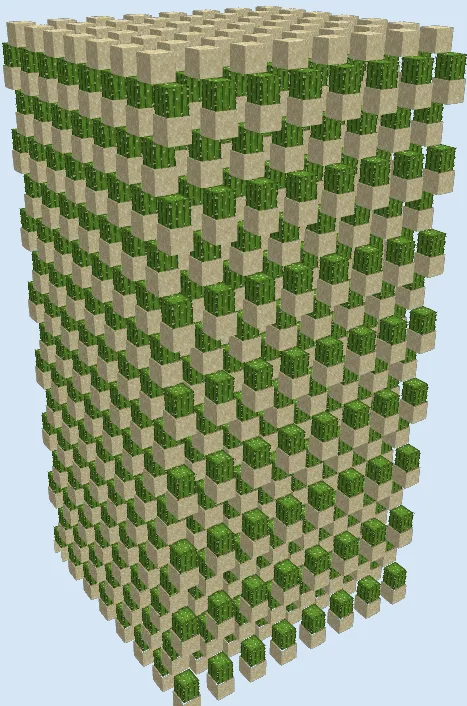
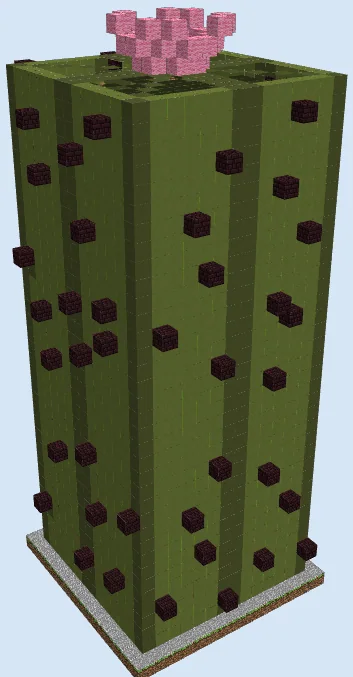
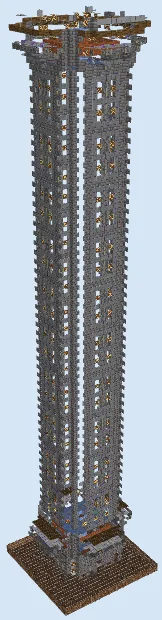
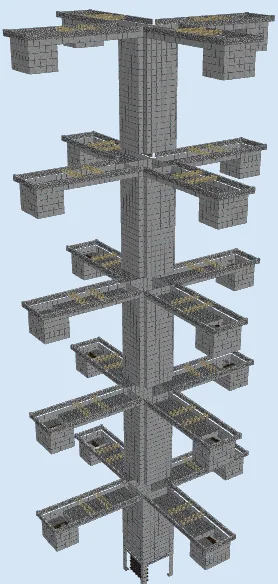
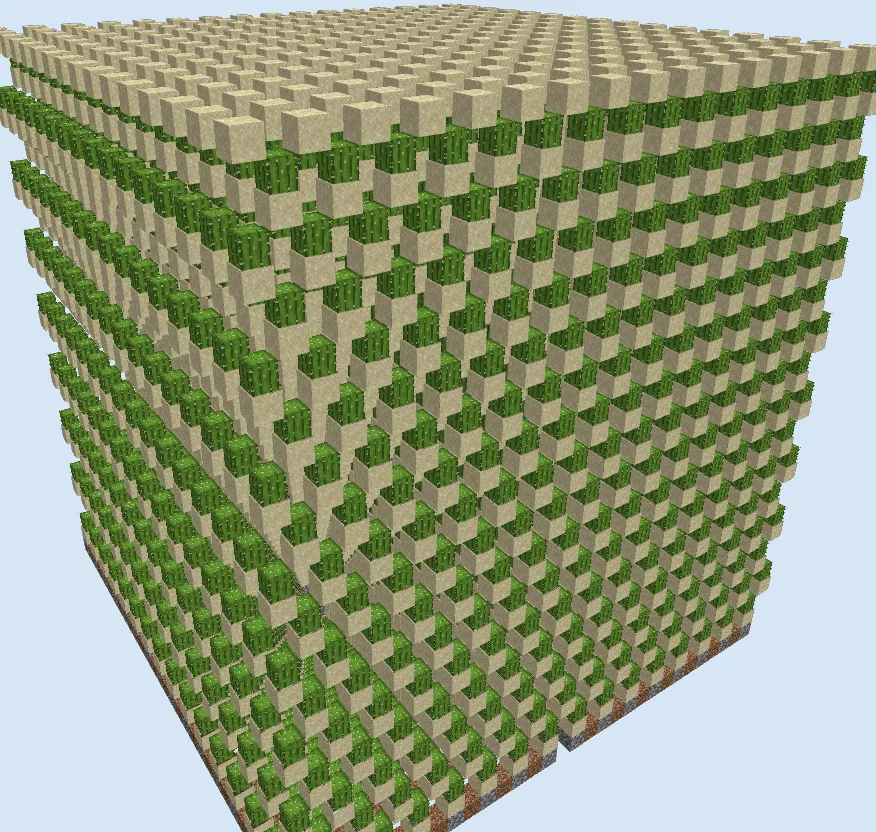
If you need bulk green dye, bone meal from composters, or smelting XP, a large-scale cactus farm is one of the easiest ways to get it. This 32x34x31 tower packs over four thousand cactus plants into a dense, self-harvesting cube using only five basic block types and zero redstone dust or pistons.
Because it is a passive growth farm, the best place to build it is near your main base or inside a frequently loaded area where you spend a lot of time. Build it above a custom water collection floor so every falling cactus drop is swept directly into your storage chests.
Check string placement carefully: Replacing a missing piece of Tripwire deep inside the grid after building higher layers is tricky because walking into cactus damages you and falling Sand can break multiple plants below it.
Add a water floor underneath: Before building the Dirt and Cobblestone base, dig a shallow water basin below it that pushes fallen cactus drops into a row of hoppers and chests.
Materials 13,089 blocks · 5 types
- Sand4,35368 stacks + 1
- Tripwire4,10064 stacks + 4
- Cactus4,09664 stacks
- Dirt2854 stacks + 29
- Cobblestone2553 stacks + 63
How it works
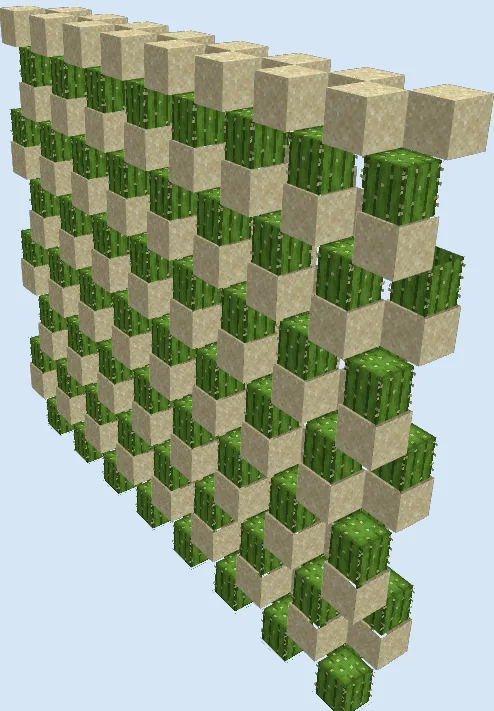
Cactus blocks break automatically whenever a block is directly adjacent to their top segment as they grow, and sand normally falls unless supported from below. This build uses Tripwire (string) placed in the gaps between the Cactus plants to hold up the next layer of Sand while also acting as the adjacent block update that pops off new cactus growth.
As the cactus plants grow upward into the empty spaces next to the staggered sand and string grid, the newly grown top pieces immediately break into item drops. The drops fall down through the diagonal gaps between the plants toward the Dirt and Cobblestone foundation at the bottom.
How to use it
This farm is completely passive and starts working as soon as the first cactus is planted. Simply stay within random tick range of the structure so the plants continue to grow, and gather the fallen cactus items at the base (or add water streams and hoppers beneath the bottom grid to funnel the drops into chests automatically).
Lay the Base Grid and First Cactus Tiers
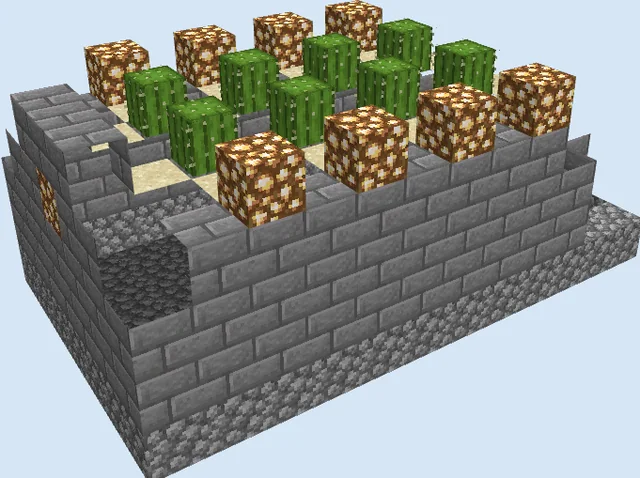
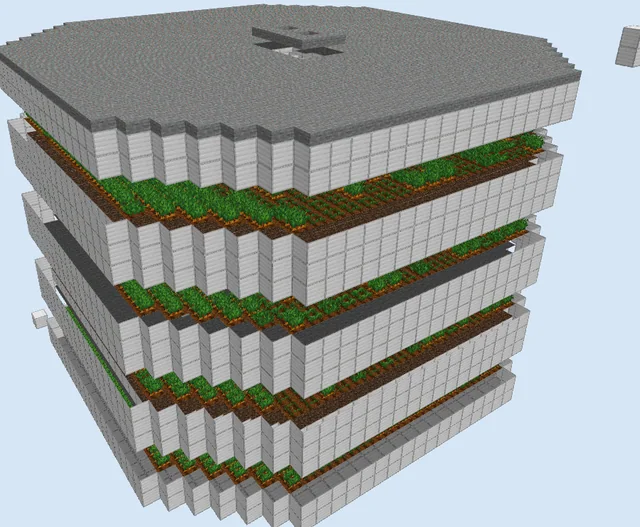
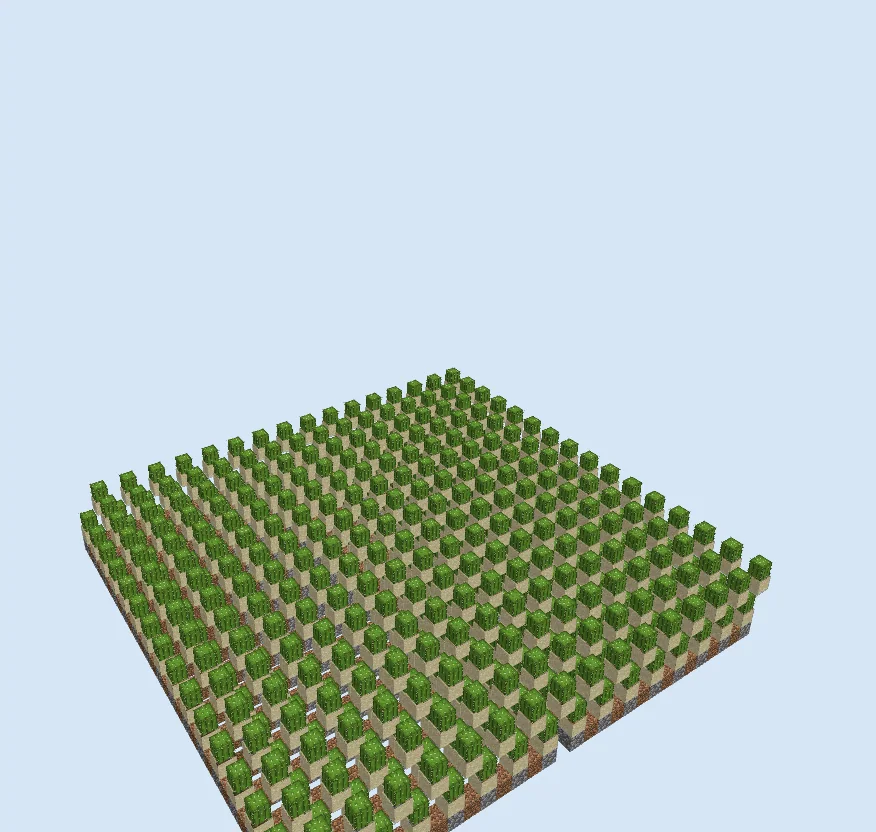
Layers 1–5 of 34Start by laying out the 32x31 base checkerboard pattern using Dirt and Cobblestone to mark the foundation grid. On top of the support spots, place your first layer of Sand and plant a Cactus on each sand block.
Stretch Tripwire string across the empty gaps between the cactus tops to support the next offset layer of Sand and Cactus, building up the first five layers of the staggered grid.
Extend the Staggered Sand and String Grid
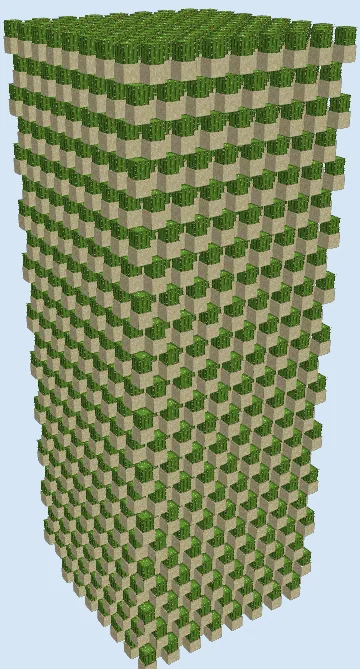
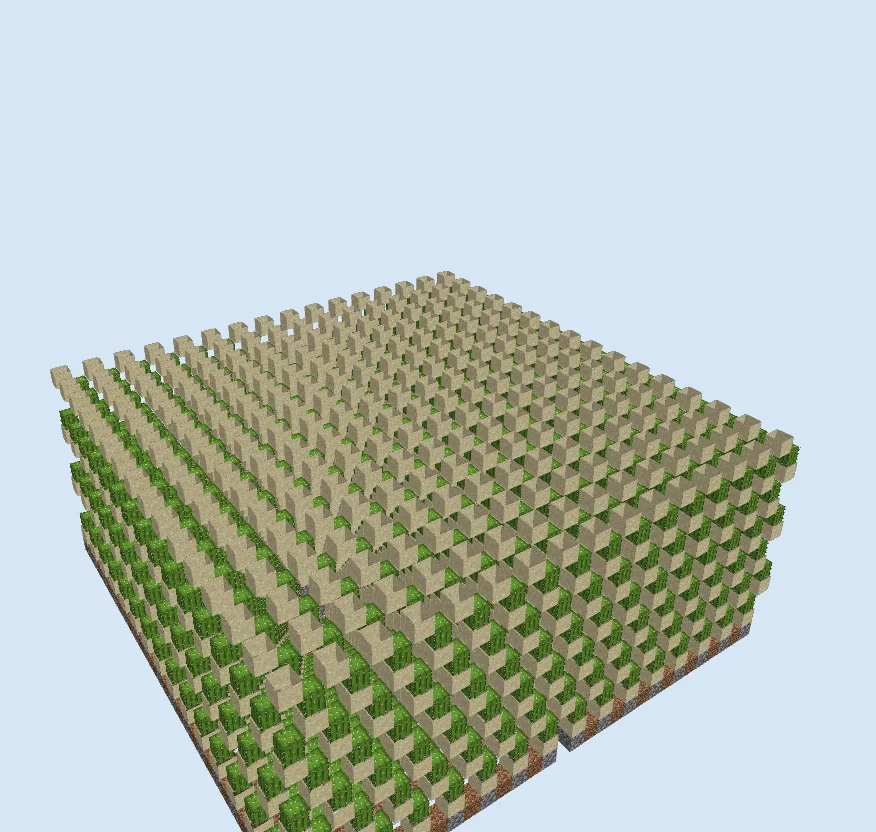
Layers 6–14 of 34Continue repeating the alternating layers of Tripwire, Sand, and Cactus upward through layer 14. Each new layer of sand sits offset from the layer below it, resting on the tripwire string so that every cactus has open space above it to grow before hitting the adjacent block.
Work row by row across the 32x31 footprint so you do not accidentally place a block directly against a planted cactus and break the lower layer.
Build Up the Upper Farm Layers
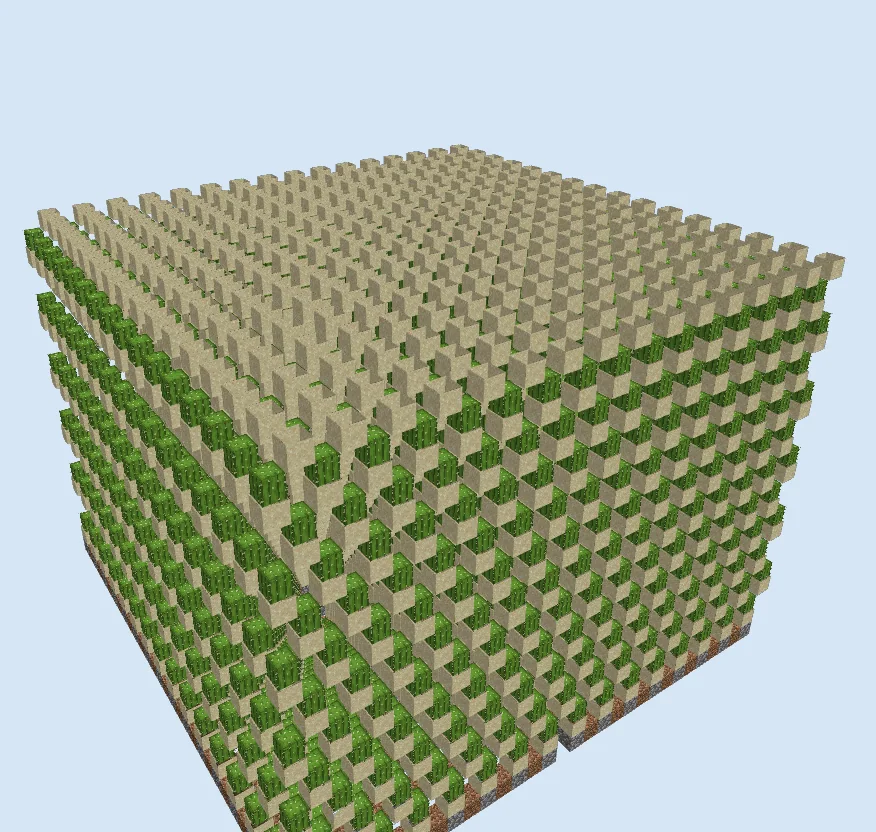
Layers 15–24 of 34Keep stacking the identical checkerboard pattern of Sand, Cactus, and Tripwire all the way up to layer 24. Double-check that every piece of string is in place before setting sand on top of it, otherwise a falling sand block can trigger a chain reaction down through the grid.
Finish the Top Layers and Cap the Grid
Layers 25–34 of 34Complete the final cactus tiers up to layer 34 and place the top checkerboard layer of Sand over the highest Tripwire grid. This top layer serves as the breaking blocks for the uppermost row of Cactus plants.
Finishing touches
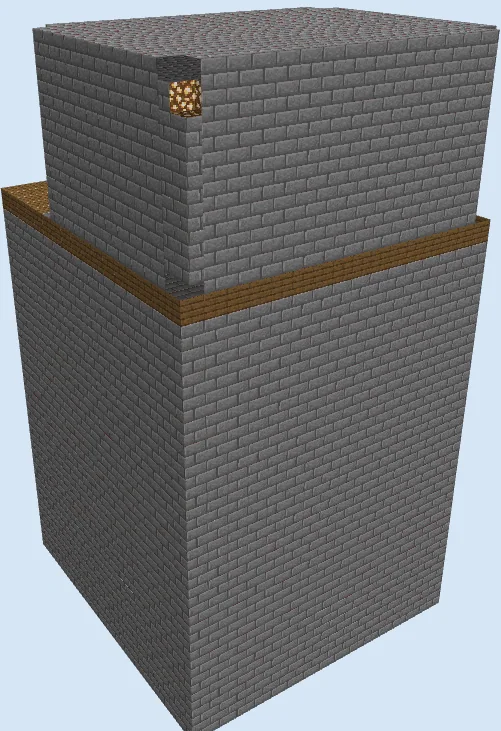
The schematic comes from an older version of the game, though cactus and string support mechanics have stayed the same for years—test a small section in a creative world first before committing all your materials in survival. Keep in mind that any falling cactus item that lands directly on top of another cactus plant will be destroyed, which is normal for high-density towers and more than made up for by the sheer number of plants. Remember to light up the top of the structure and the ground around the base so hostile mobs cannot spawn inside the dark interior.
Frequently Asked Questions
How does the sand float without falling onto the cactus below?
The sand blocks rest on top of tripwire string placed in the air gaps between the cactus plants, which counts as a solid support block for gravity blocks like sand.
Why do some cactus drops disappear when they break?
Any item entity that touches a cactus block is destroyed on contact, so a percentage of the harvested drops will hit lower plants on the way down, while the rest fall cleanly through the gaps.
Do I need redstone or pistons for this farm?
No, cactus breaks automatically whenever it grows next to an adjacent block, so this design operates with zero redstone components.