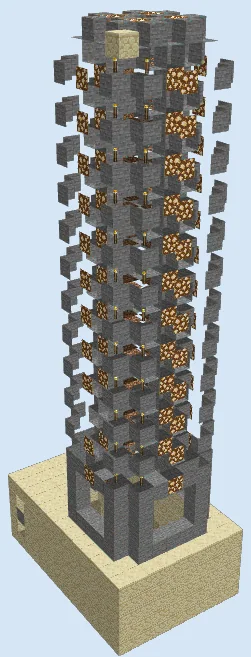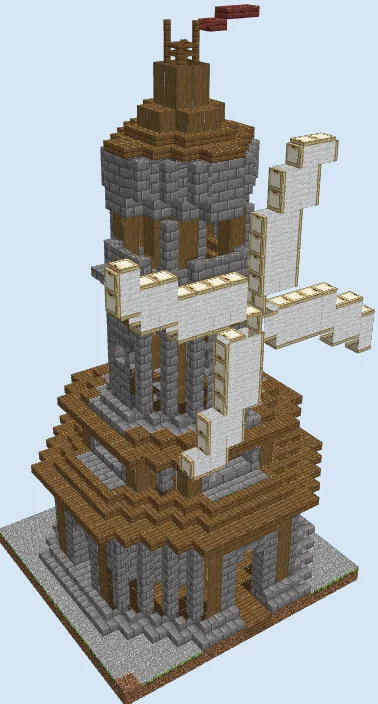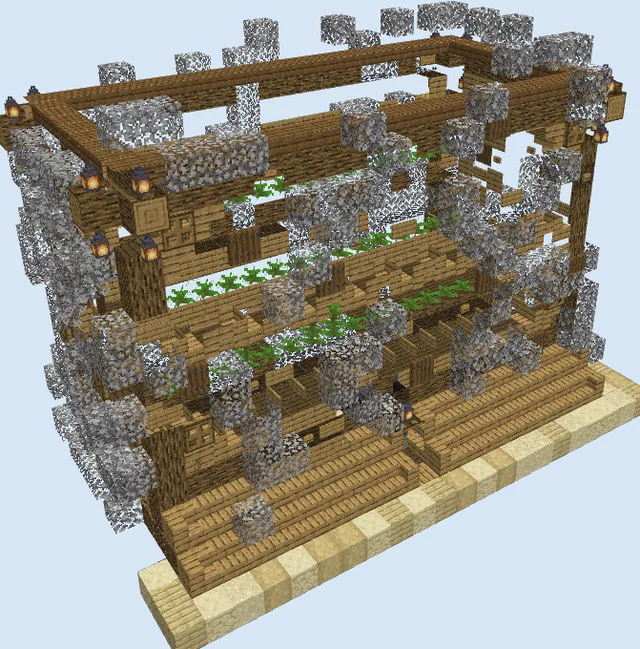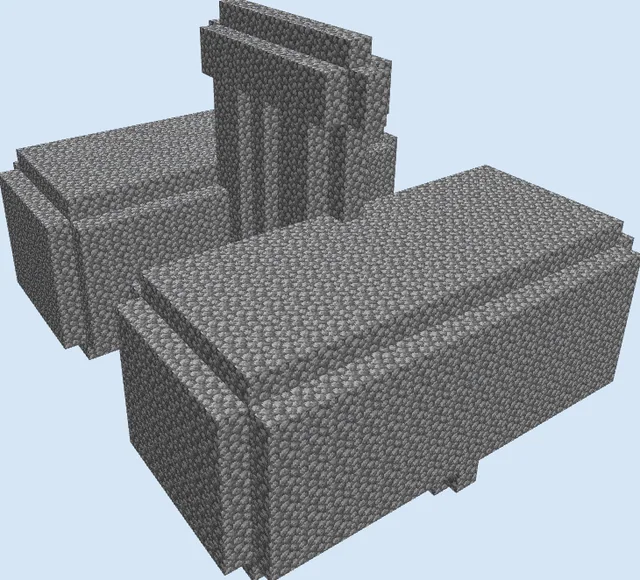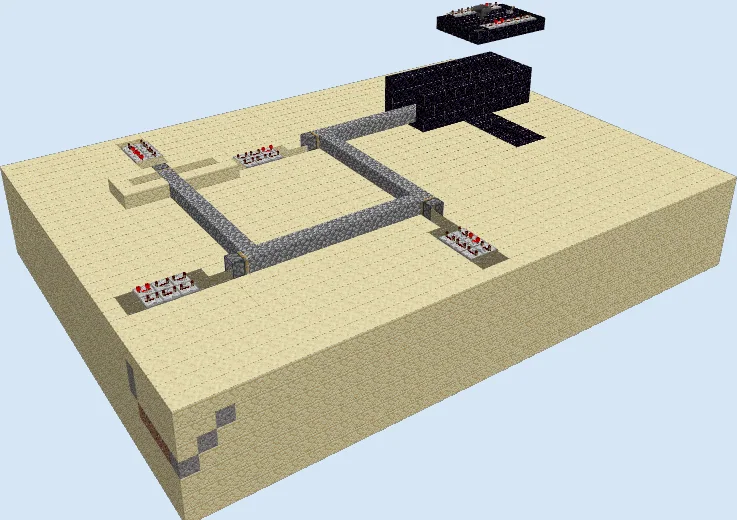
What you are building
Cobblestone is the backbone of construction in any survival world, required in massive quantities for fortresses, perimeter walls, and crafting recipes. This automated cobblestone generator uses classic fluid physics combined with a timed piston network to steadily push freshly created stone into a central collection zone.
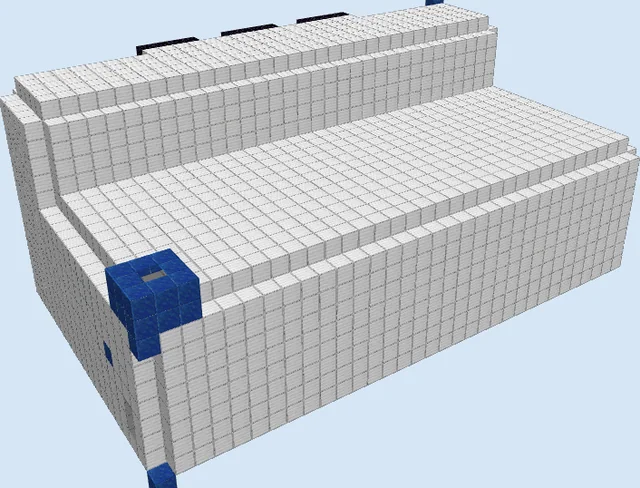
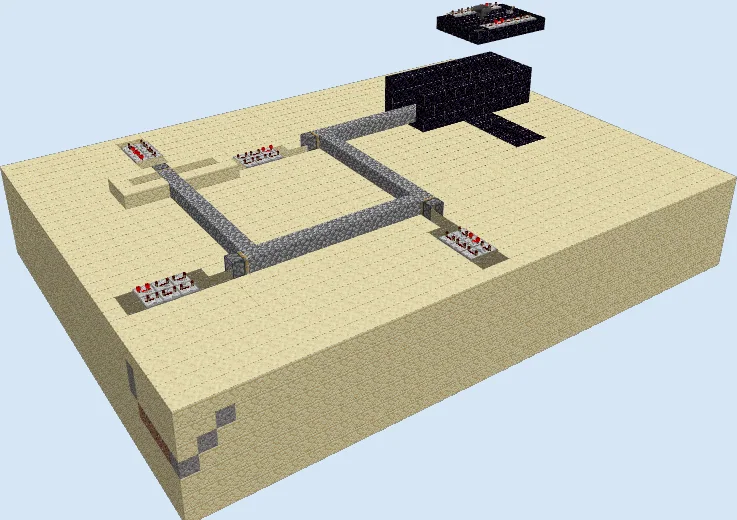
Housed inside a raised sandstone foundation, the machine features an obsidian-reinforced chamber and an integrated hopper collection system. It is best constructed near your main workshop or industrial district where you have easy access to storage chests and room for redstone machinery.
Never alter the tick settings on the redstone repeaters unless you are recalculating the entire loop, as mistimed pulses will cause pistons to misfire and jam the conveyor.
Because this build relies on mechanics that have stayed consistent across Java updates, test the generator in a creative world first before gathering all the obsidian in survival.
Materials 8,818 blocks · 16 types
- Sandstone8,370130 stacks + 50
- Obsidian2564 stacks
- Cobblestone49
- Repeater34
- Redstone Wire32
- Water22
- Hopper19
- Gravel13
- Granite5
- Lantern4
- Piston4
- Chest3
- Stone3
- Lava2
- Dispenser1
- Lever1
How it works
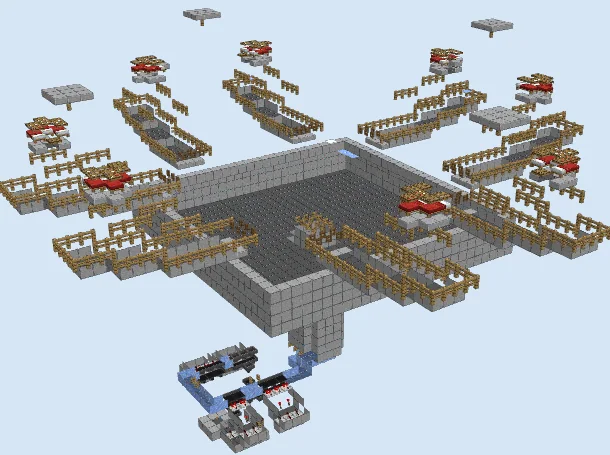
Cobblestone forms continuously where lava meets flowing water within the fluid generation cells. As soon as a block solidifies, a series of four standard pistons activates in sequence to shove the block row forward along predefined stone tracks.
Repeater delay lines ensure each piston triggers at the correct interval without jamming or exceeding the twelve-block push limit. The conveyor directs stone blocks toward an obsidian containment shell, where integrated hoppers gather broken block drops and channel them directly into storage chests below.
How to use it
Flip the control lever connected to the primary repeater clock circuit to power up the machine. Ensure the dispenser and hopper lines have clear inventory space, then stand at the collection chest or obsidian access point to gather cobblestone as the pushers cycle.
Lay the Sandstone Foundation
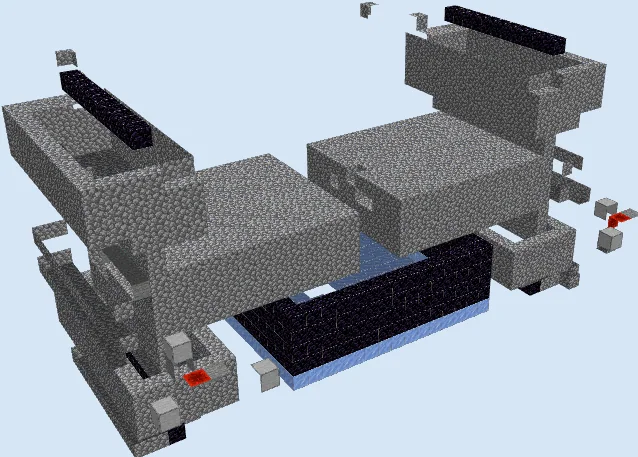
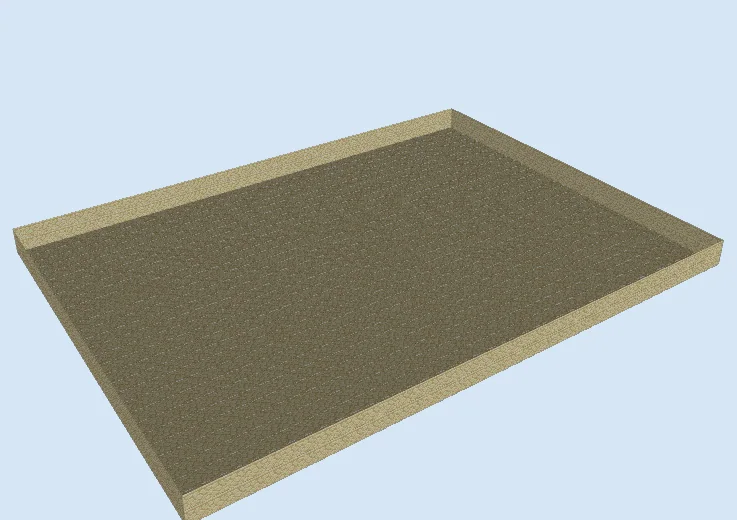
Layers 1–2 of 15Clear a 41 by 30 block flat area and lay down a solid perimeter border of smooth sandstone two layers deep. This establishes the structural basin that will house the sub-floor collection hoppers, chests, and bottom structural framing.
Build Chamber Walls and Base Wiring
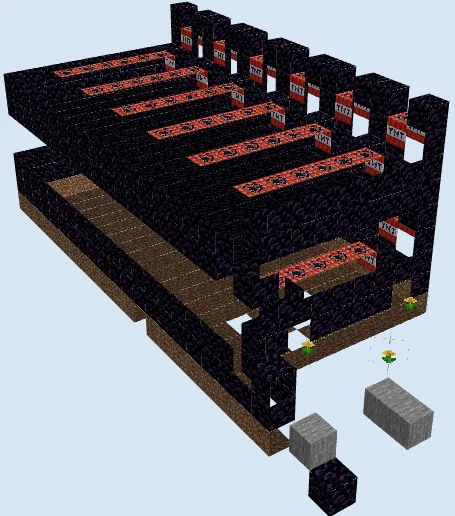
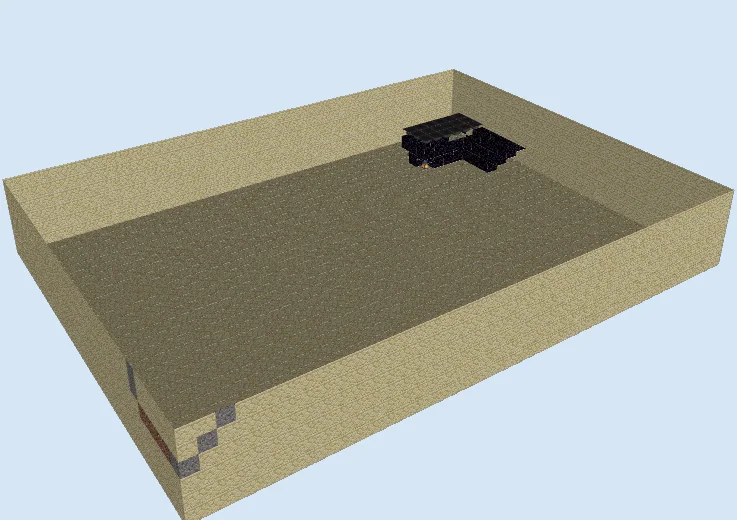
Layers 3–6 of 15Raise the outer sandstone walls up to layer 6 to create the containment perimeter. In the rear corner, begin placing obsidian blocks to form the lower blast and containment chamber, adding lanterns inside to maintain proper interior lighting.
Install Pistons, Tracks, and Repeaters
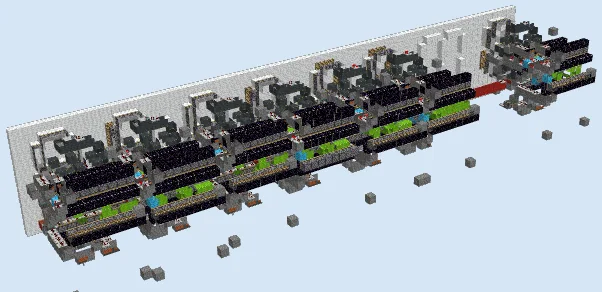
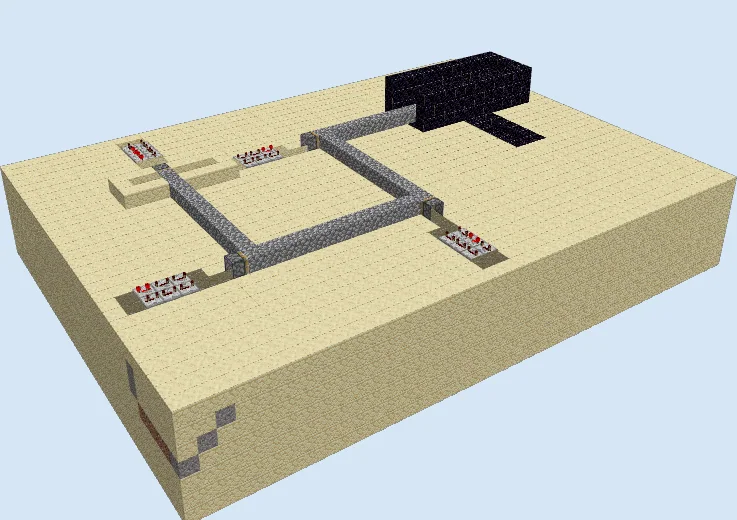
Layers 7–11 of 15Fill in the top sandstone deck to layer 11 and lay out the cobblestone transfer lines across the platform. Mount four pistons at each directional turn along with their corresponding redstone repeater lines set to maintain synchronized pusher delays.
Cap the Chamber and Add Top Clock
Layers 12–15 of 15Enclose the top of the obsidian containment structure and install the elevated redstone repeater timing platform hovering above the rear module. Connect redstone dust down to the trigger mechanisms and insert water and lava into the generation bays.
Finishing touches
Before turning the clock circuit on full-time, test the repeater timings by placing a few loose cobblestone blocks in front of the pistons to verify that the delay loops push cleanly without stalling. Ensure all surrounding sandstone areas are well-lit with lanterns to prevent unwanted hostile mob spawns during nighttime operation.
Frequently Asked Questions
Why did the pistons stop moving the cobblestone?
Pistons can only push up to 12 blocks at once, so if blocks back up against the obsidian without being broken or cleared, the conveyor reaches its push limit and halts.
Can standard stone be substituted for the sandstone platform?
Yes, any solid building block can be used for the structural shell and platform without affecting the redstone circuits or water and lava interactions.