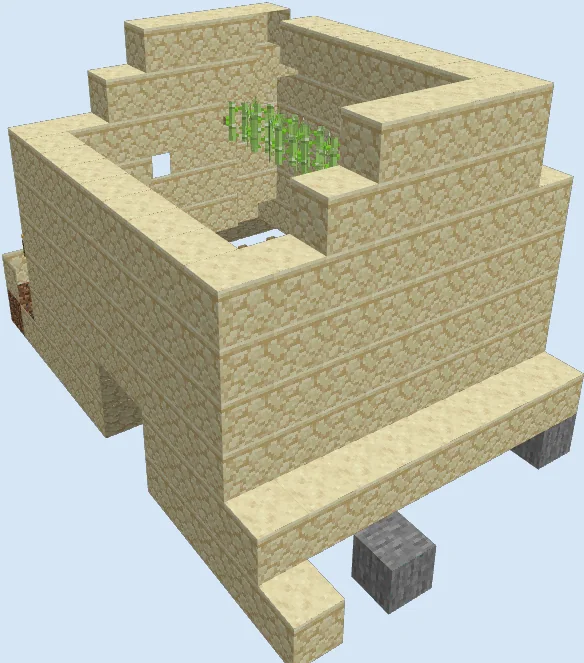
What you are building
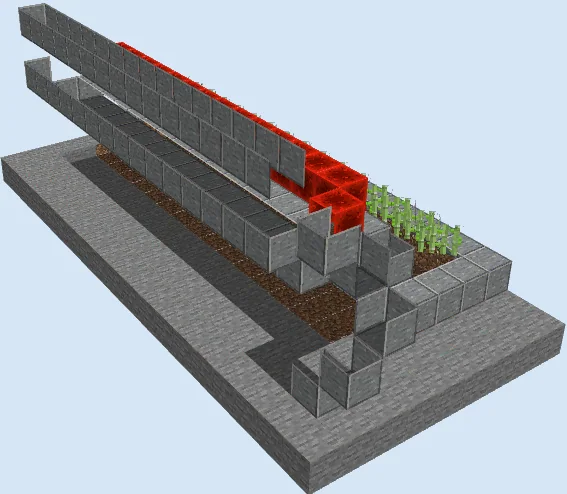
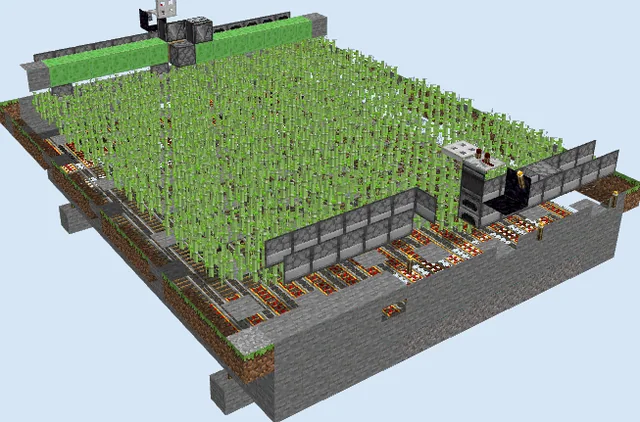
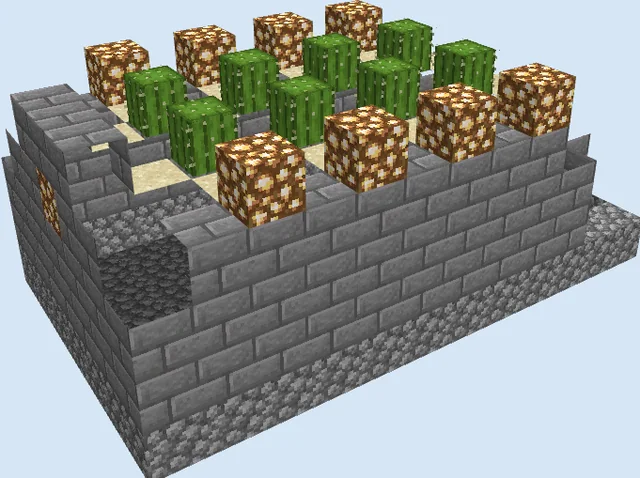
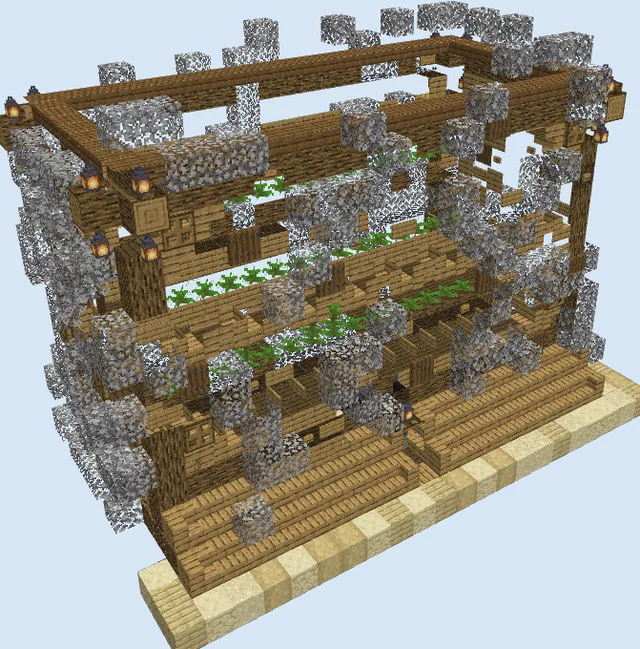
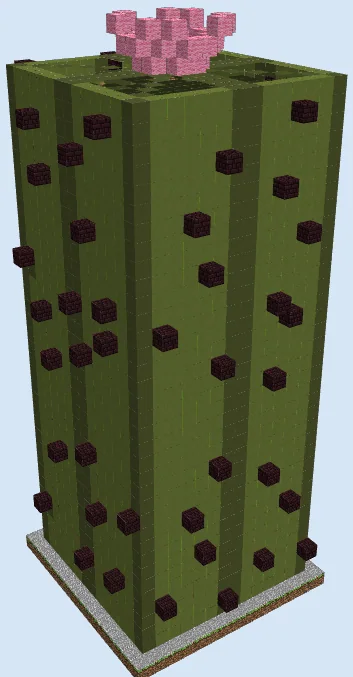
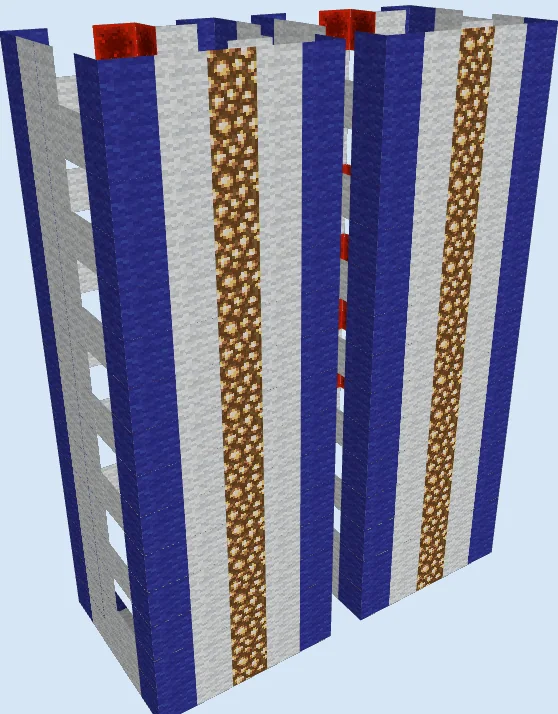
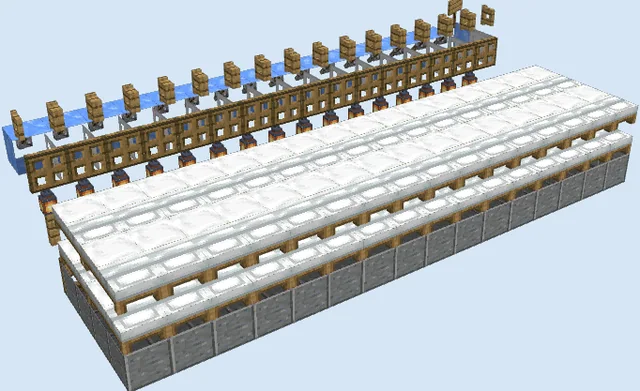
The Compact Observer Piston Sugar Cane Farm is an enclosed desert-themed crop farm that automatically breaks and gathers sugar cane whenever it grows. Encased in neat sandstone masonry, it blends seamlessly into desert bases or village outposts while providing a steady supply of paper, books, and rocket fuel.
Because of its compact footprint, this build fits easily near your main base or storage workshop. Keep in mind this design comes from an older file format, but since sugar cane and observer mechanics have stayed consistent over the years, testing it in a creative world before committing survival resources is always a wise choice.
Do not place solid blocks directly above the sugar cane stalks, as they require open vertical space to grow to the observer's height.
Because only one observer triggers the entire row, neighboring stalks will continue to grow until the monitored plant reaches full height, harvesting the entire row at once.
Materials 485 blocks · 16 types
- Sandstone3184 stacks + 62
- Sand701 stack + 6
- Water41
- Oak Fence15
- Sugar Cane7
- Piston7
- Redstone Wire7
- Oak Stairs5
- Grass4
- Chest2
- Hopper2
- Sandstone Stairs2
- Ladder2
- Dirt1
- Torch1
- Observer1
How it works
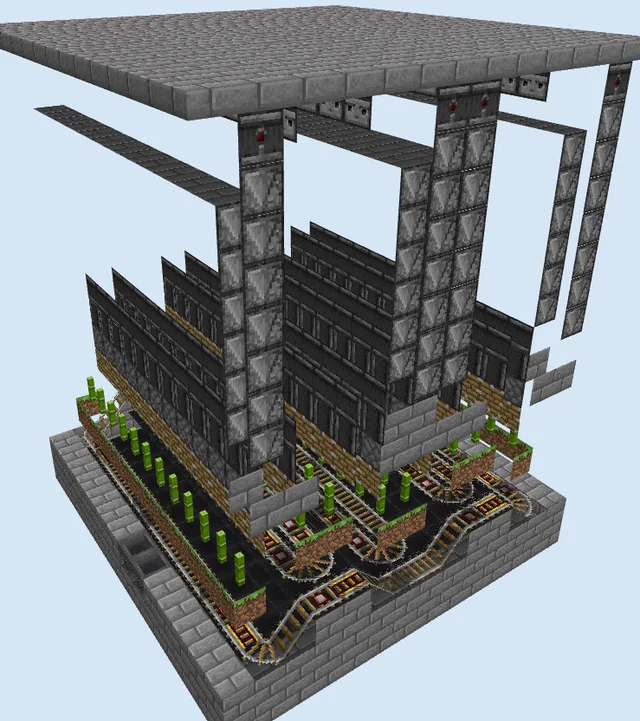
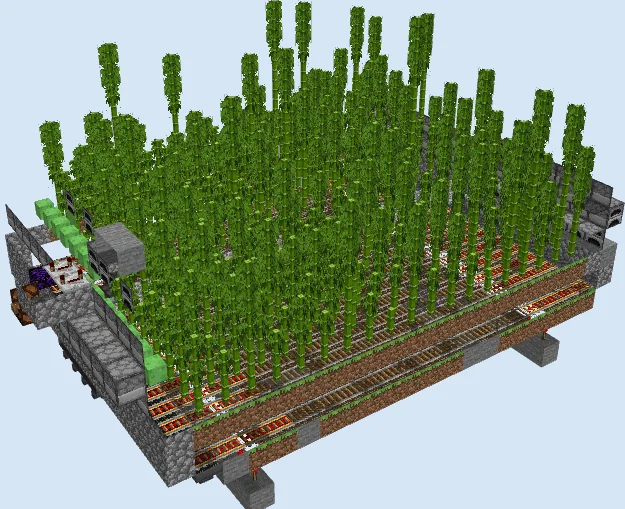
Sugar cane planted along a water channel grows upward naturally on sand. A single observer placed at the third growth height detects when a stalk reaches maturity, instantly emitting a redstone pulse through seven redstone dust wires situated directly behind a row of regular pistons.
The firing pistons push outward simultaneously, breaking the upper sections of all seven stalks while keeping the base crops intact. The harvested sugar cane drops into the flowing water stream below, which directs the items over hoppers and into a double chest for automatic storage.
How to use it
The farm is completely automatic and requires no manual input or fuel to operate. Simply ensure the area is loaded while you go about your tasks, then walk around to the access area beneath the structure to open the double chest and collect your gathered sugar cane.
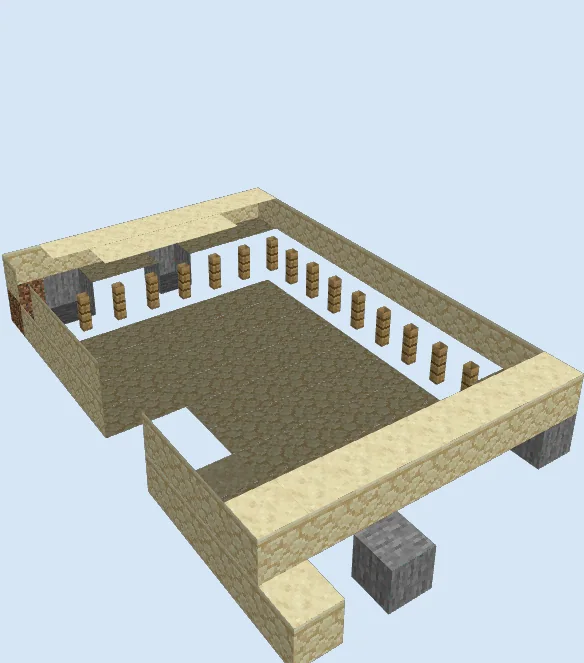
Lay the Foundation and Waterway
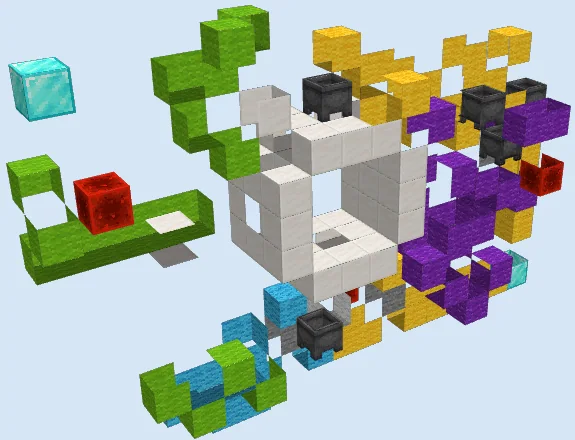
Layers 1–2 of 8Start by outlining the lower perimeter using sandstone blocks, leaving space for the drop chute and collection storage. Place two chests connected to two hoppers at the collection point.
Install oak fences along the inner trench to guide item flow, then place sand blocks along the planting edge and fill the irrigation trench with water.
Raise the Sandstone Enclosure Walls
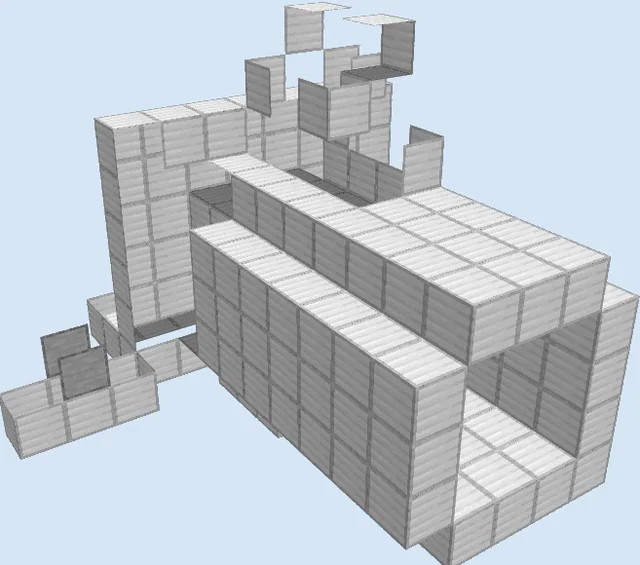
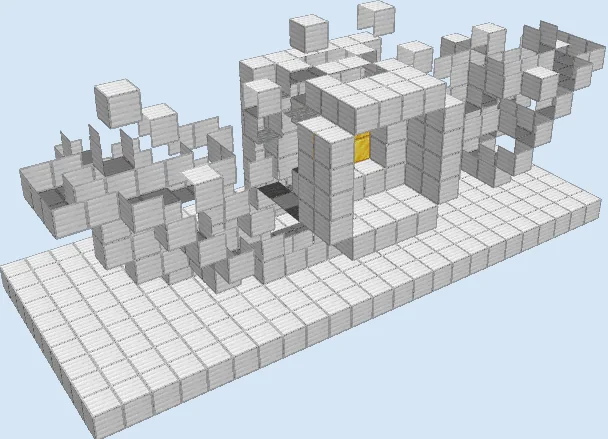
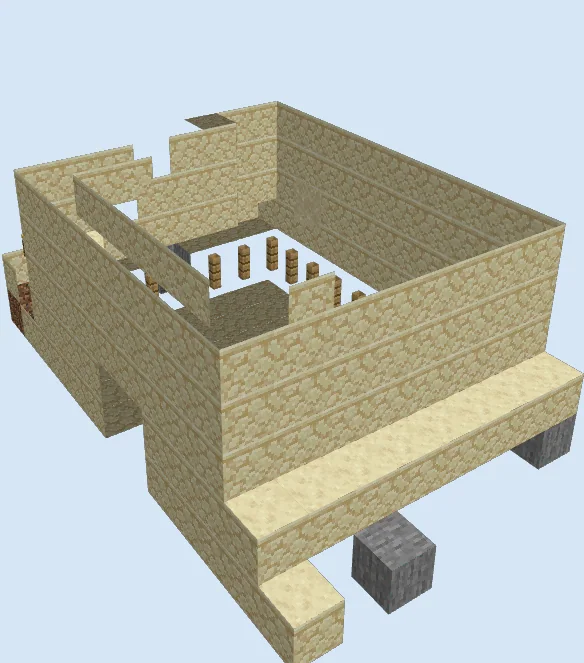
Layers 3–5 of 8Build up the outer and interior sandstone walls up to layer 5, fully enclosing the water channel and lower harvest chamber. Leave appropriate wall cutouts for item inspection and structural access.
Ensure the sand planting strip remains properly bordered by water sources so the stalks can be planted and sustained.
Install Pistons, Observer, and Redstone
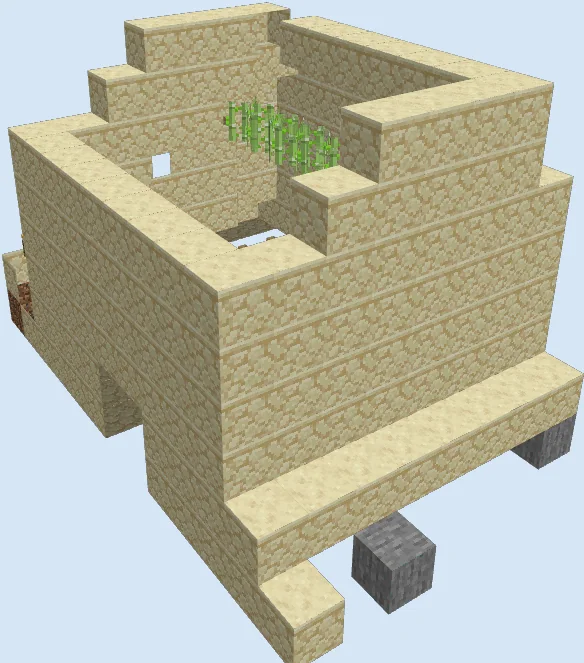
Layers 6–8 of 8Plant the seven sugar cane stalks on the sand blocks. Mount seven pistons facing across the stalks at the second block level, and place a single observer at the top level facing the growing cane.
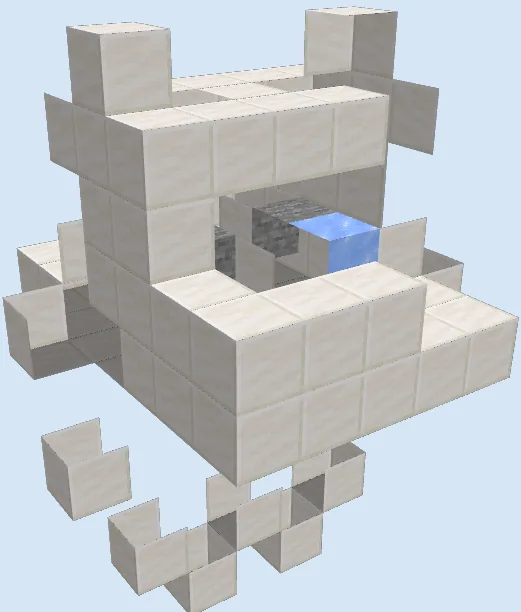
Run seven pieces of redstone wire across the support blocks behind the pistons, then cap the upper walls with sandstone and sandstone stairs to seal the build.
Finishing touches
Test the mechanism by manually placing a sugar cane block in front of the observer to confirm all seven pistons fire and push the items into the water stream. Ensure the interior is adequately lit with the torch to prevent hostile mob spawns inside the harvest chamber, and verify that the hoppers feed cleanly into your double chest.
Frequently Asked Questions
Can I use dirt instead of sand for the sugar cane?
Yes, sugar cane grows at identical speeds on dirt, grass, or sand, provided there is an adjacent water block.
Why are some items getting stuck on the sand?
Pistons occasionally cause harvested items to land directly on the sand block. Most items bounce into the water flow, but keeping the space enclosed minimizes loose drops.
Does this design work in newer game releases?
The core redstone and plant growth mechanics remain unchanged, but test the schematic in a creative world first before committing materials in your survival world.