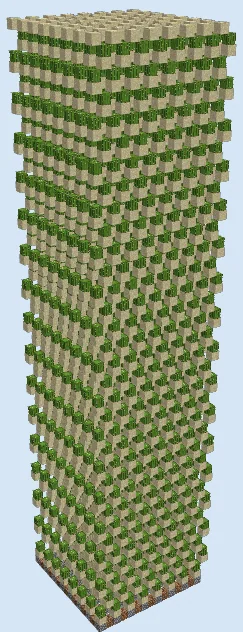
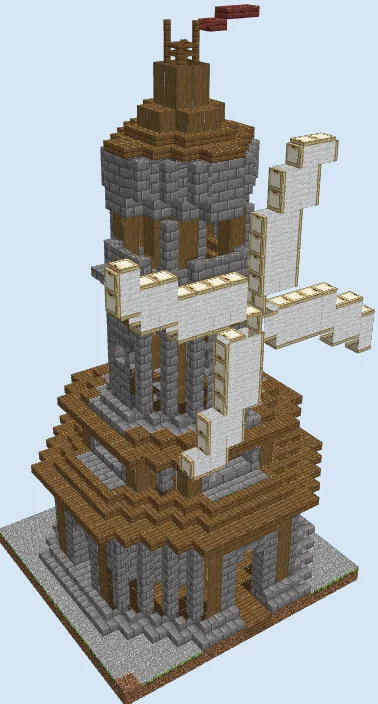
What you are building
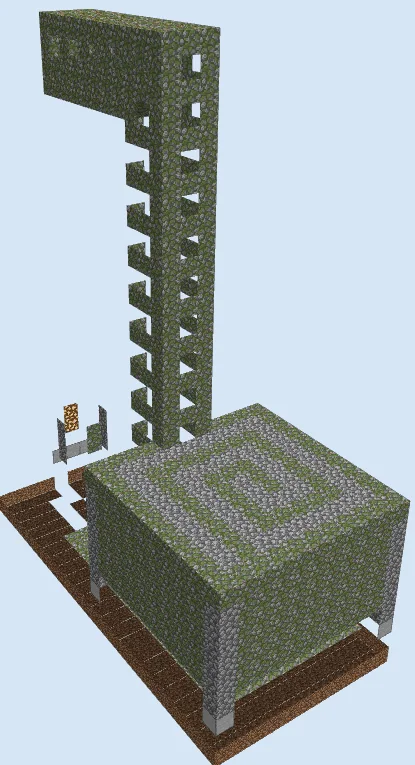
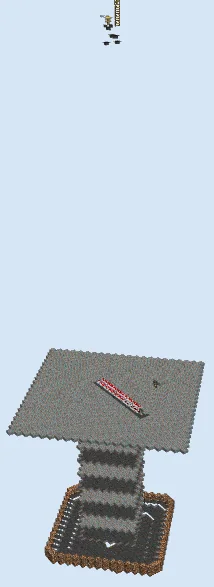
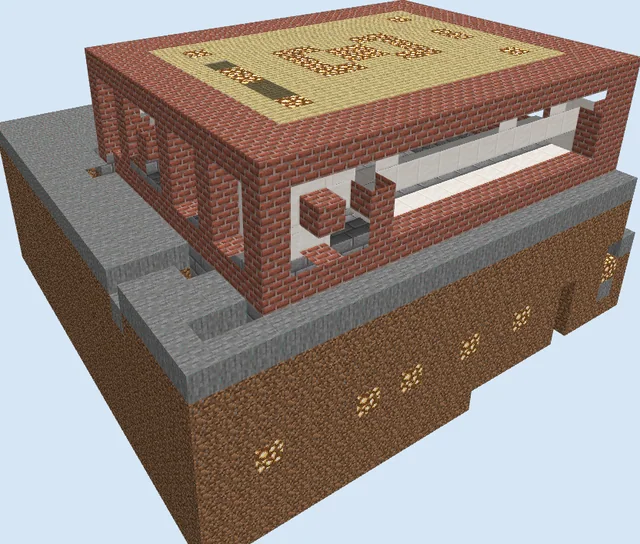
This is a foundational mob grinder design built around monster spawners. It is designed to accumulate mob drops in a controlled environment by utilizing water transport systems.
You can build this structure in any open area, though it is best suited for flat terrain or underground chambers. Because this is a legacy design, ensure you test it in a creative world to confirm it functions correctly with your current game version.
Materials 1,318 blocks · 14 types
- Sandstone79712 stacks + 29
- Stone4096 stacks + 25
- Water55
- Glass22
- Oak Wall Sign15
- Redstone Wire5
- Spawner4
- Sticky Piston3
- Smooth Stone3
- Cobblestone Slab1
- Sandstone Slab1
- Quartz Block1
- Lever1
- Quartz Slab1
How it works
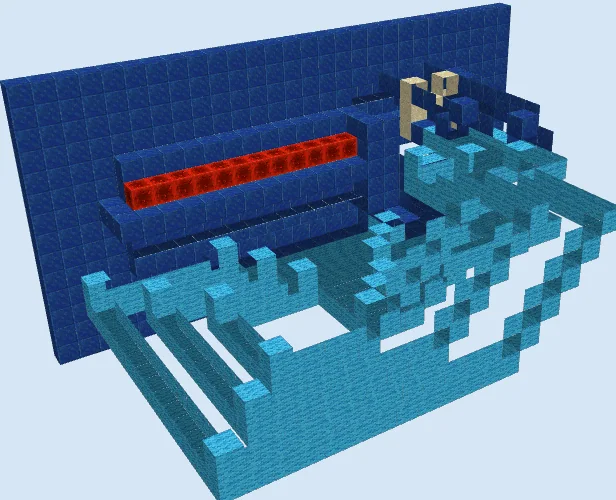
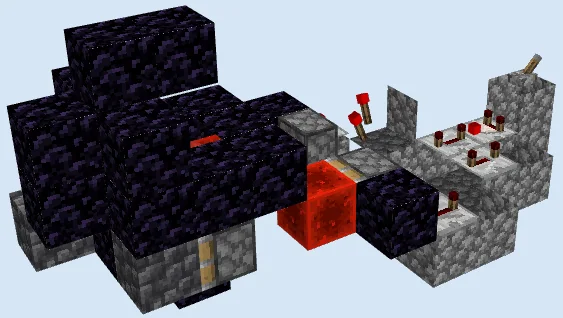
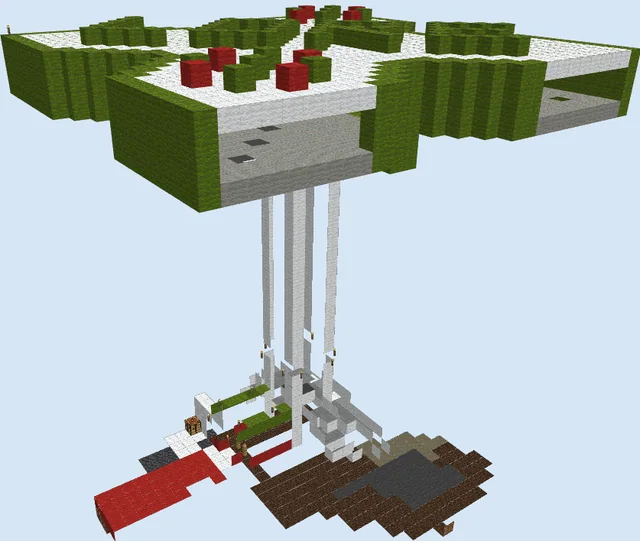
The mechanism relies on four spawners placed at the base to generate mobs. Once spawned, water streams push the mobs into a central collection point. The structure uses stone and sandstone to channel the flow, while redstone and pistons are used to control the water flow or spawner activation.
How to use it
To operate, stand within reach of the collection area. Ensure the surrounding area is well-lit to prevent mobs from spawning outside the farm. Collect your gathered items from the designated storage point at the base.
Foundation and Base
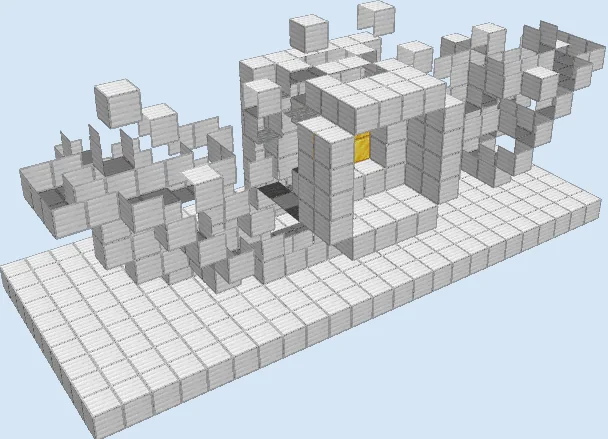
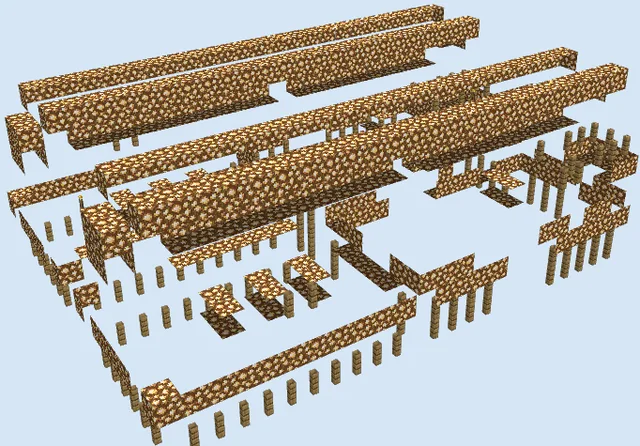
Layers 1–4 of 29Start by laying out the sandstone foundation. Place the stone blocks to form the floor of the spawner room and the initial water channels. Include the Quartz block and the base of the central machine assembly as shown in the layout.

Spawner Columns
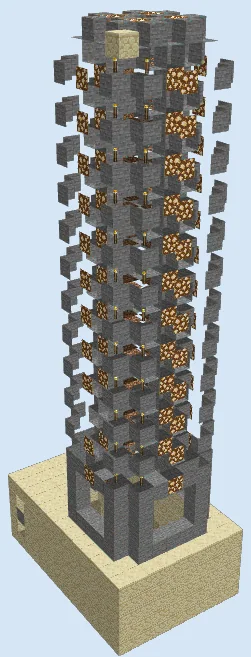
Layers 5–12 of 29Construct the four vertical columns using stone blocks. These columns will house the spawners at their base. Ensure they are spaced exactly as shown to align with the water channels built in the previous step.

Structural Walls
Layers 13–21 of 29Extend the vertical columns upward with stone blocks. These act as the containment walls for the mobs. Begin adding the Sandstone blocks to bridge the tops of the columns, creating the frame for the ceiling.

Ceiling and Finishing
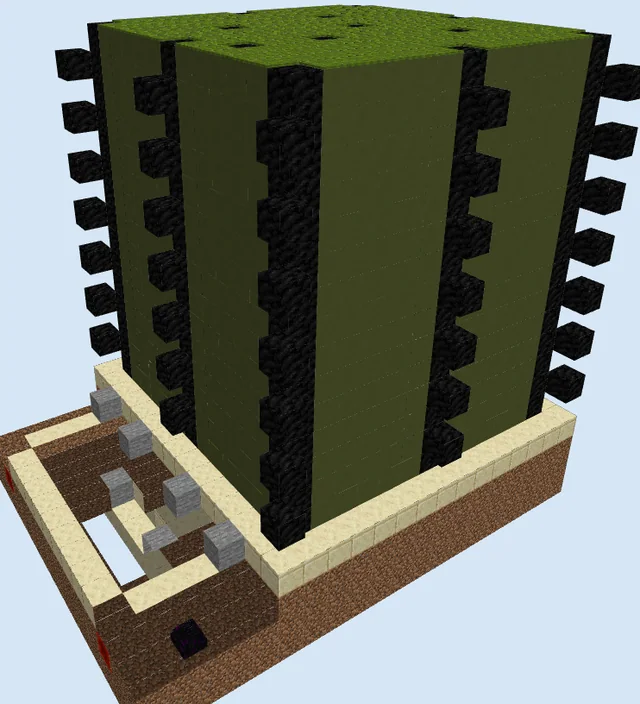
Layers 22–29 of 29Complete the upper structure by placing the remaining Sandstone and glass blocks to seal the top. Install the oak wall signs and the lever to finalize the water control mechanism and collection system components.

Finishing touches
After completing the build, verify all spawners are enclosed securely. Test the water flow to ensure it correctly directs mobs toward the collection point. Light up the roof and surrounding area to maximize spawn rates inside the structure.
Frequently Asked Questions
Does this work in the latest version of the game?
This design uses older mechanics. While the structure is sound, it may not function as intended in modern versions, so please test it in a creative world before building it in survival.
How do I move the mobs to the kill chamber?
The mobs are moved using water streams placed at the base of the spawner columns, which push them toward a central collection point.