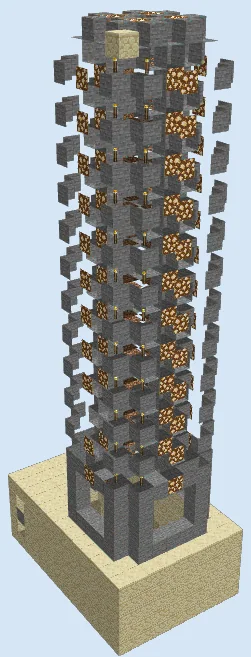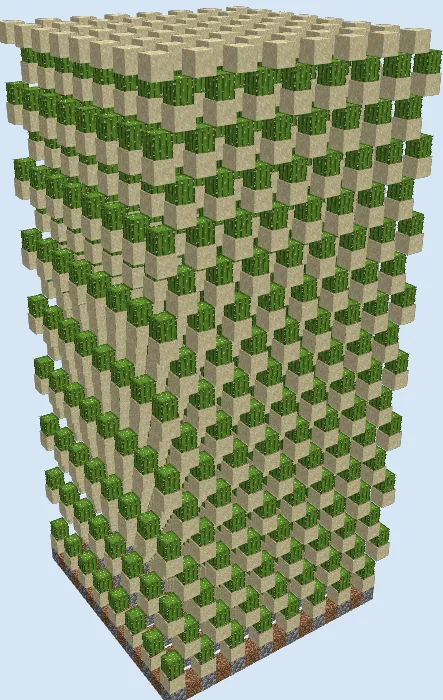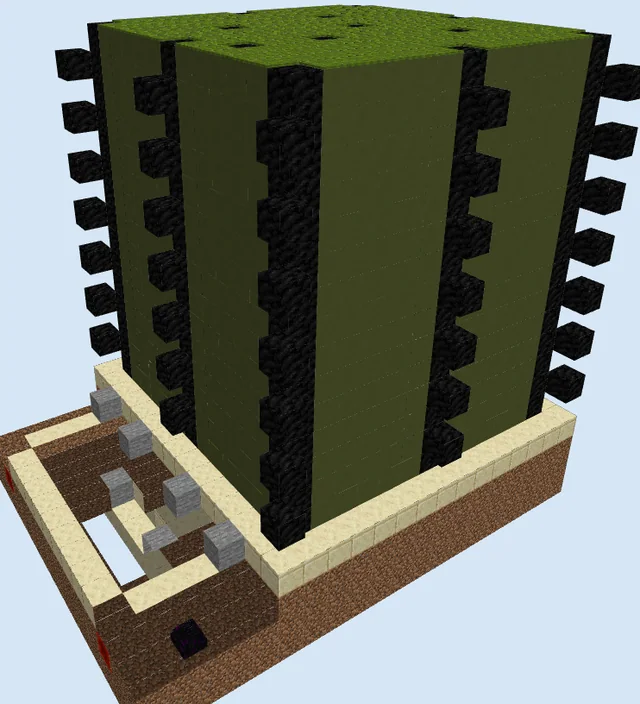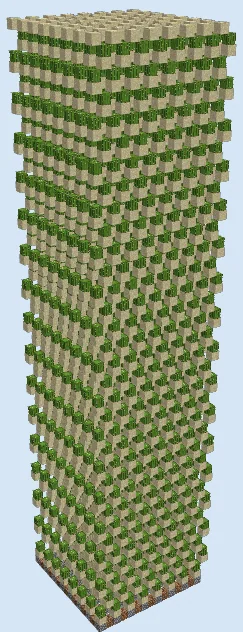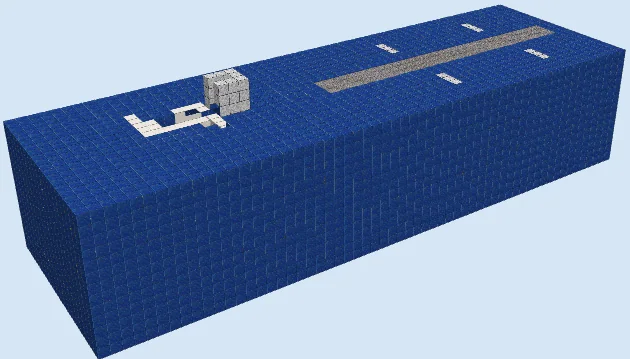
What you are building
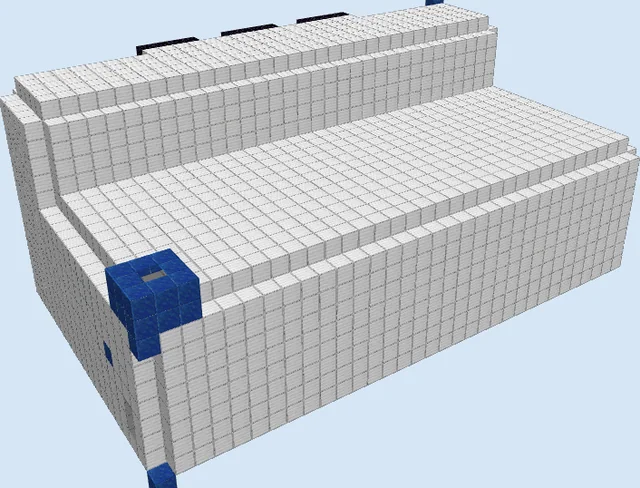
The Retractable Piston Lift Bridge is a high-capacity redstone mechanism designed to cross wide gaps, moats, or castle entryways on demand. Rather than leaving a static pathway exposed to hostiles or unwanted visitors, this system uses vertical piston extension to lift a solid walking deck flush with the surrounding floor when triggered, and drops it out of sight when retracted.
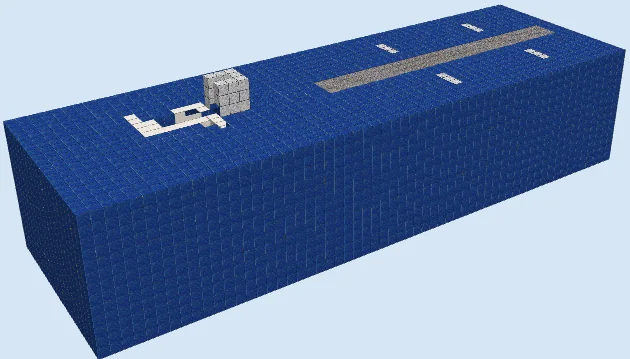
Because it spans nearly sixty blocks, this engineering project is ideal for grand fortress gates, security checkpoints, and perimeter defense networks. The internal mechanism is housed in a clean protective chassis, keeping the complex wiring hidden and safe from environmental disruption.
Materials 8,284 blocks · 29 types
- Lapis Block4,30467 stacks + 16
- Light Blue Stained Glass1,09417 stacks + 6
- Polished Diorite6069 stacks + 30
- Redstone Wire4086 stacks + 24
- Gravel3004 stacks + 44
- Repeater2994 stacks + 43
- Sticky Piston2103 stacks + 18
- Glowstone1892 stacks + 61
- Polished Granite1512 stacks + 23
- Quartz Block1422 stacks + 14
- Stone931 stack + 29
- Light Blue Wool871 stack + 23
- White Wool861 stack + 22
- Red Wool781 stack + 14
- Magenta Wool761 stack + 12
- Oak Wall Sign48
- Red Sand30
- Glass21
- Redstone Torch16
- Quartz Stairs15
- Red Sandstone10
- Acacia Door6
- Ladder3
- Comparator3
- Dropper3
- Hopper3
- Stone Button1
- Lever1
- Daylight Detector1
How it works
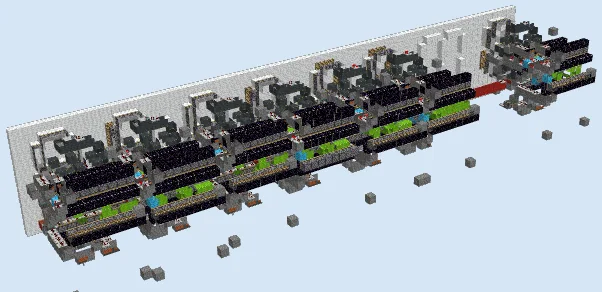
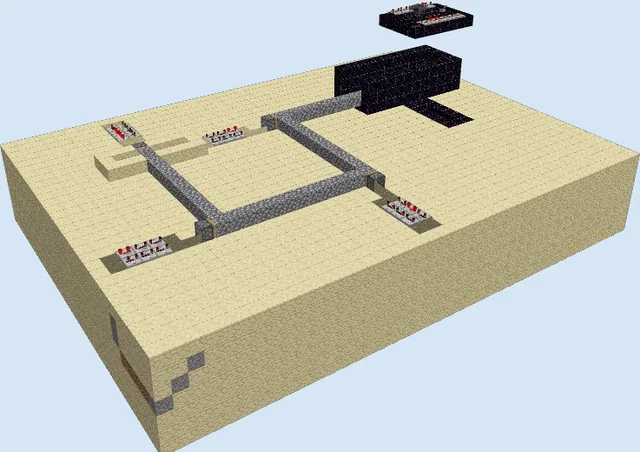
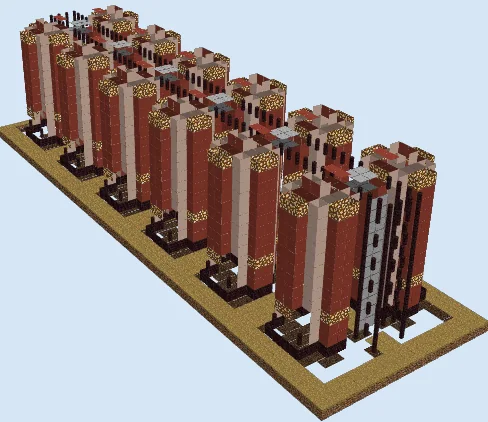
The mechanism relies on gravity-affected gravel supported by sticky pistons and synchronized redstone repeater arrays. Colored wool lines route power along the bottom and middle tiers, distributing delayed pulses through redstone dust to trigger successive piston rows along the entire 59-block span.
When an input signal is sent from the control booth, the repeaters fire in timed sequence to extend the sticky pistons upward, thrusting the gravel columns flush with the top deck. Deactivating the signal cuts power, allowing the sticky pistons to pull back and letting the gravel drop safely back down into the trench.
How to use it
Approach the quartz control booth located on the upper platform edge. Trigger the control input to power the repeater lines; the piston bank will cycle sequentially across the trench to raise the gravel deck. Walk across the raised bridge, then toggle the input again to lower the walkway and seal off passage.
Establish the Foundation and Basework
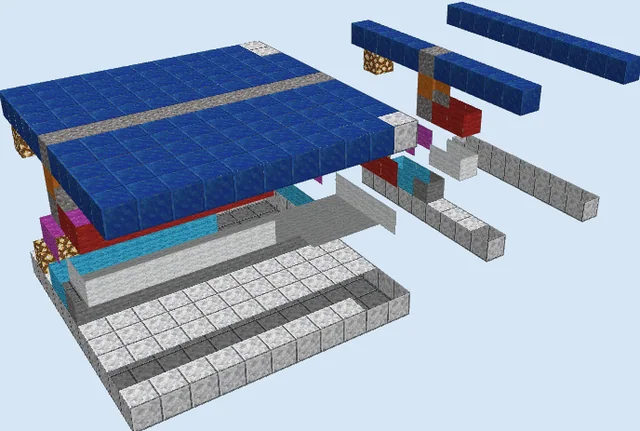
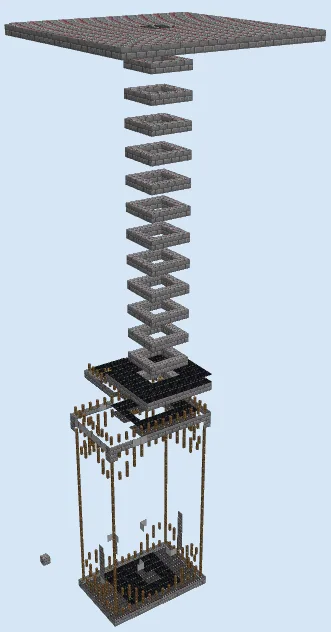
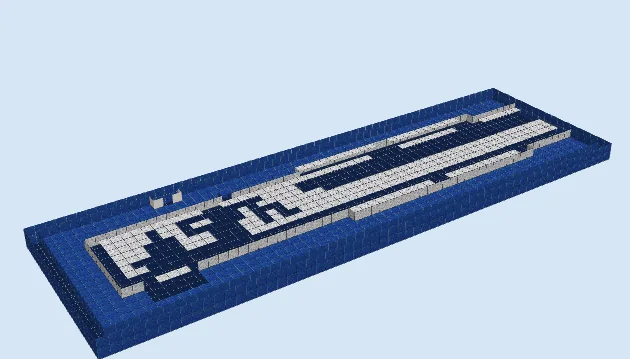
Layers 1–2 of 16Outline the massive 59 by 19 block footprint using lapis blocks as the outer containment barrier. Inside the lower basin, lay down polished diorite pathways to define the central mechanical trench and establish the foundation where the lower circuitry will sit.
Wire the Lower Redstone and Piston Banks
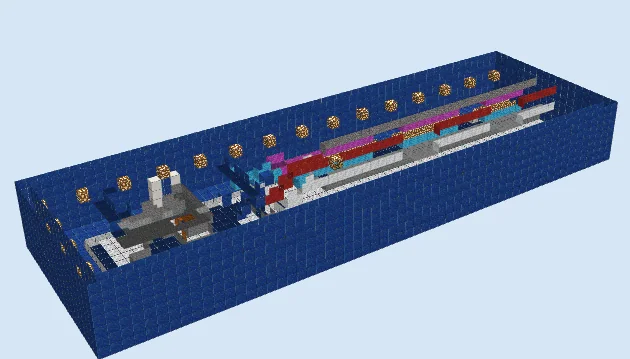
Layers 3–7 of 16Install color-coded wool lines—utilizing red, magenta, light blue, and white wool—along the trench floor to organize your wiring. Place sticky pistons facing upward along the core channel, then lay down redstone wire and repeaters set to precise delays to ensure smooth sequential firing. Mount glowstone along the inner walls for permanent visibility.
Assemble the Upper Lift Stage and Timing Lines
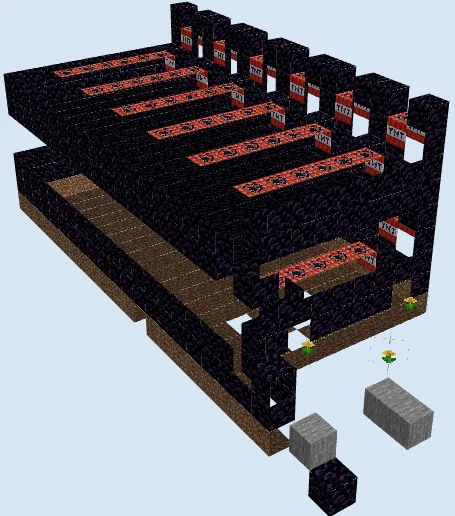
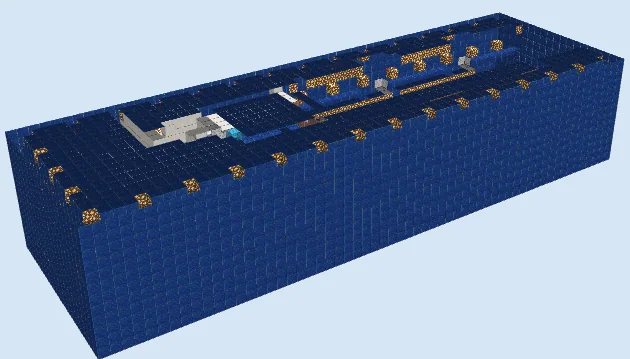
Layers 8–12 of 16Add the secondary tier of sticky pistons and guide blocks directly above the primary line. Run the upper repeater timing lines and install light blue stained glass alongside stone mounting blocks to carry power upward without interfering with adjacent piston heads.
Enclose the Hull and Surface the Deck
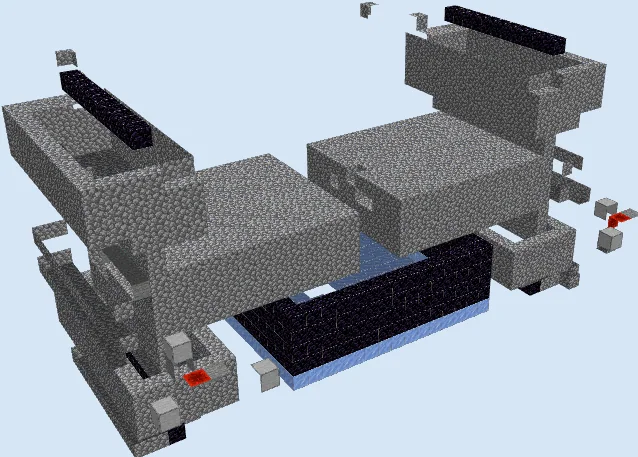
Layers 13–16 of 16Seal the top of the chamber with lapis blocks, leaving a clean three-wide central slit for the bridge span. Place gravel directly onto the top piston faces, then construct the quartz block control booth with quartz stairs and wall signs at the terminal entrance.
Finishing touches
Before sealing the remaining service hatches, send a test pulse from the control booth to watch the entire gravel line raise and lower smoothly. If any gravel blocks fail to rise, check underneath for misaligned repeater delays or unlinked redstone dust lines. Ensure the internal chamber remains fully illuminated with glowstone to prevent hostile mob spawning.
Frequently Asked Questions
Why is gravel used for the bridge deck?
Gravel is affected by gravity, allowing single-direction sticky piston pushers to lift it upward and let it fall smoothly back down without needing complex retraction mechanisms for every surface block.
Can I replace the lapis shell with other blocks?
Yes, the outer lapis blocks are structural and aesthetic; you can swap them for stone bricks, deepslate, or concrete to match your base design without affecting the wiring.