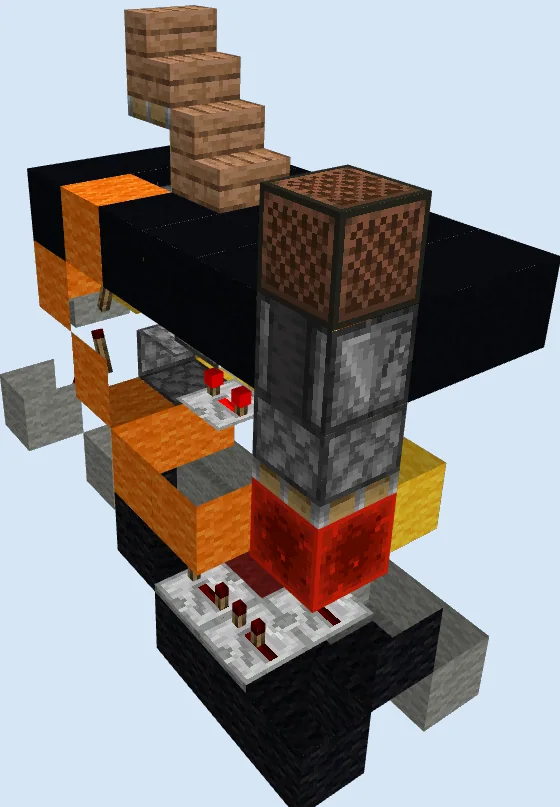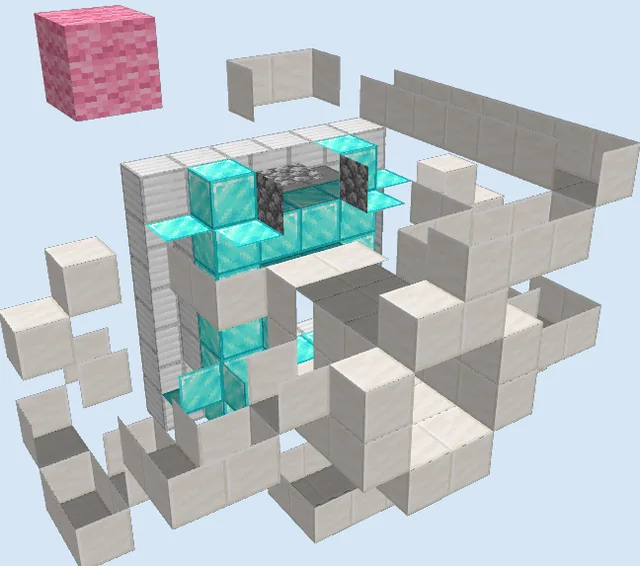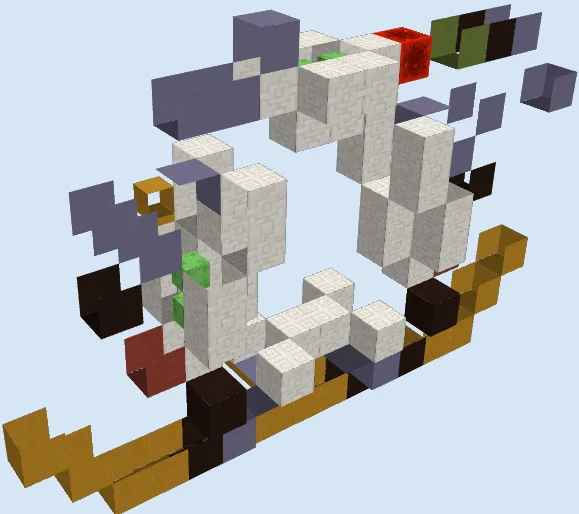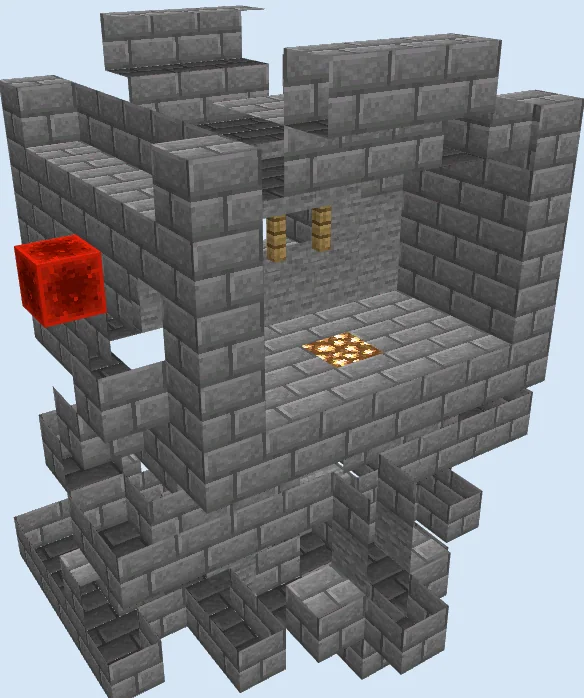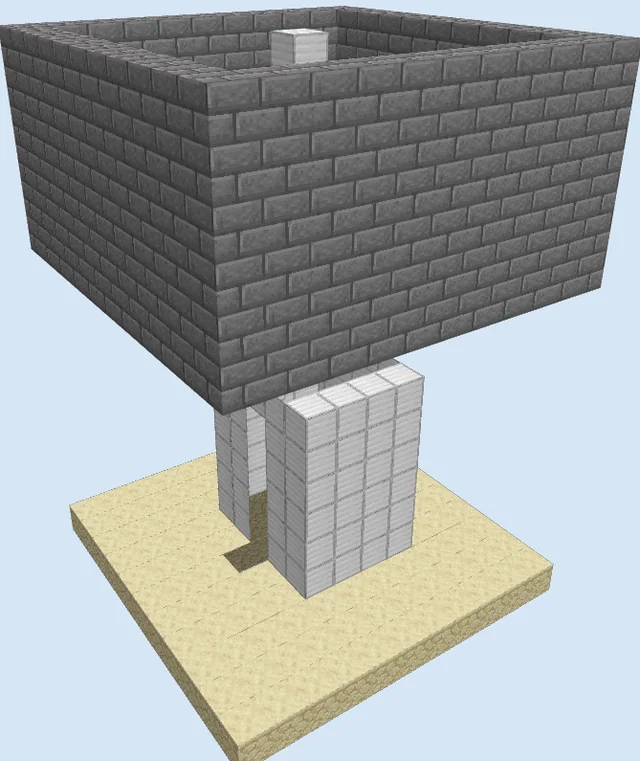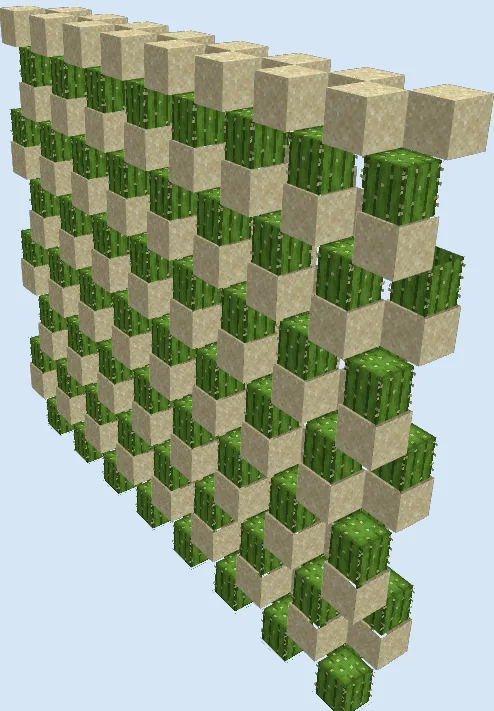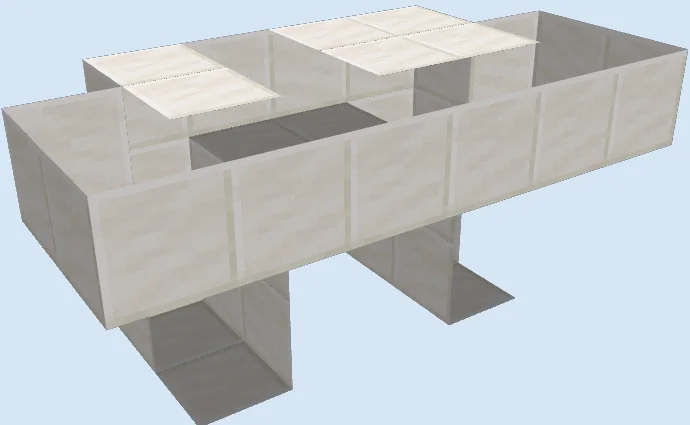
What you are building
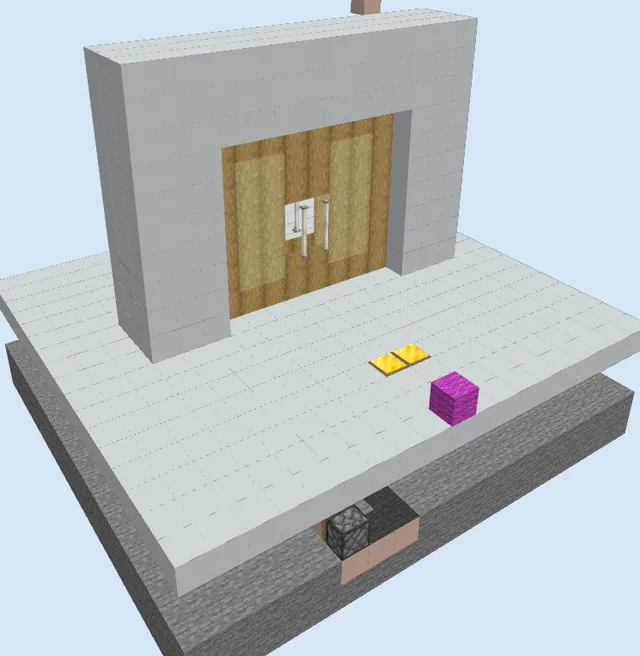
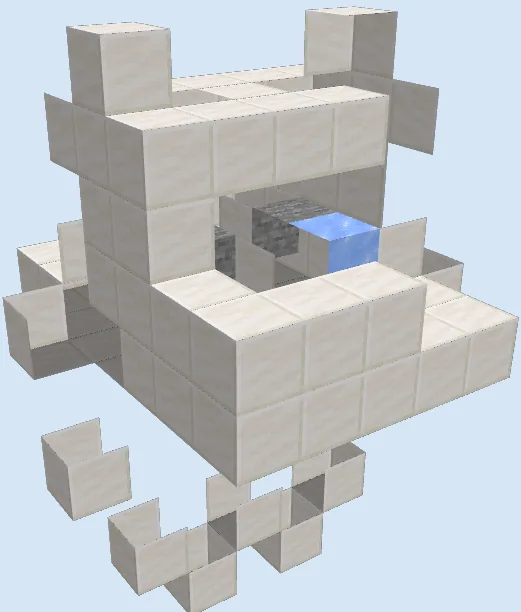
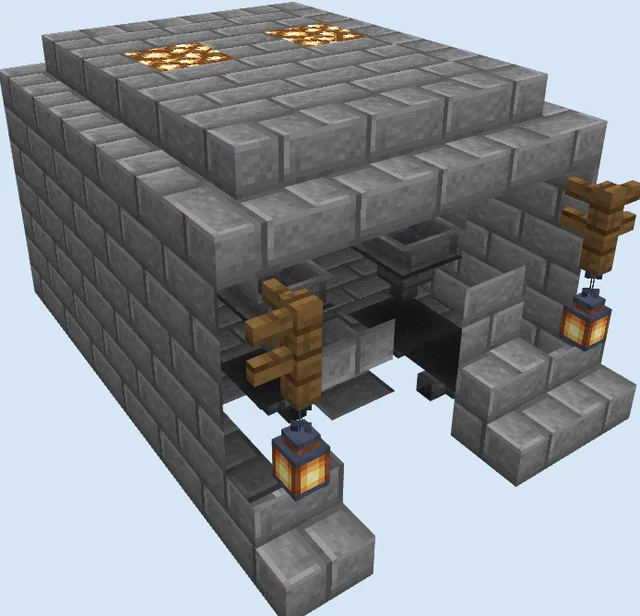
The Compact Flush Two by Two Piston Door, commonly known as a Jeb door, is one of the cleanest ways to conceal an entrance within a solid wall. When closed, the door blocks sit completely flush with the surrounding wall, leaving no exposed piston faces or seams to reveal your hidden room.
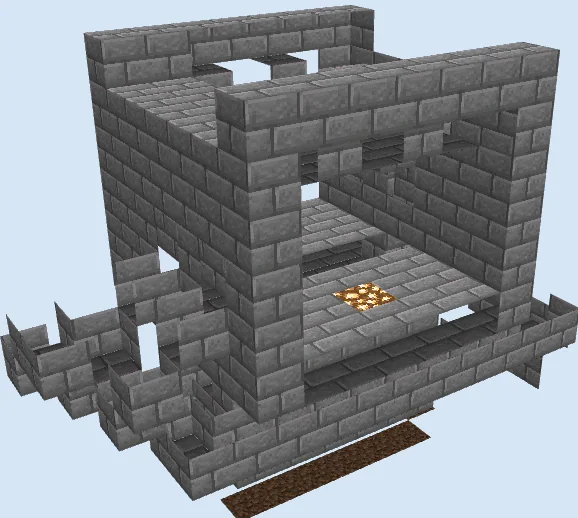
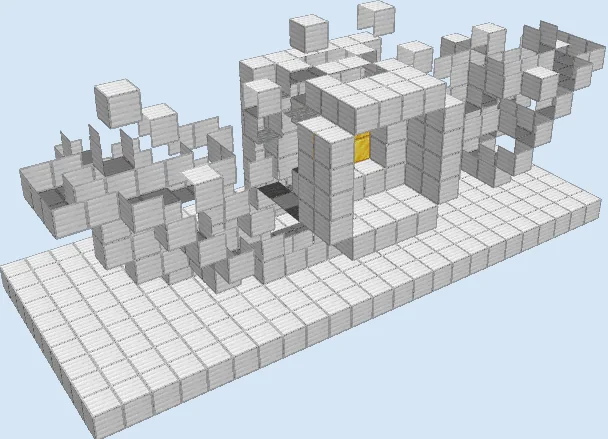
Requiring only a 6x4x3 footprint, this design is ideal for base entrances, secure treasure vaults, or private corridors. It operates reliably using a minimal set of sticky pistons and top-mounted redstone components.
You can swap the visible door blocks with any solid, pushable block—such as stone, wood planks, or bricks—to match whatever wall material your build uses.
The file is from an older version, but this kind of mechanism relies on mechanics that have stayed the same for years. Test it in a creative world before you commit resources.
Materials 46 blocks · 4 types
- Quartz Block24
- Sticky Piston12
- Redstone Wire8
- Repeater2
How it works
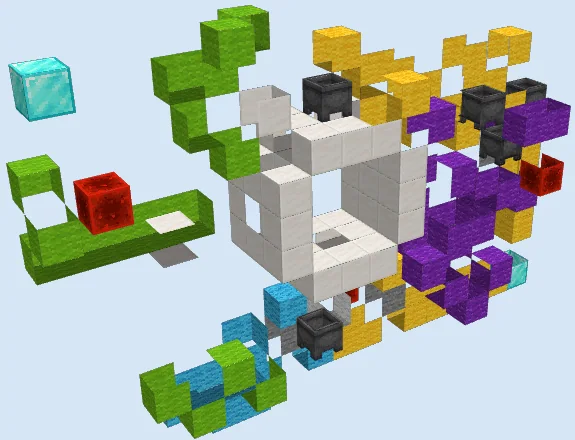
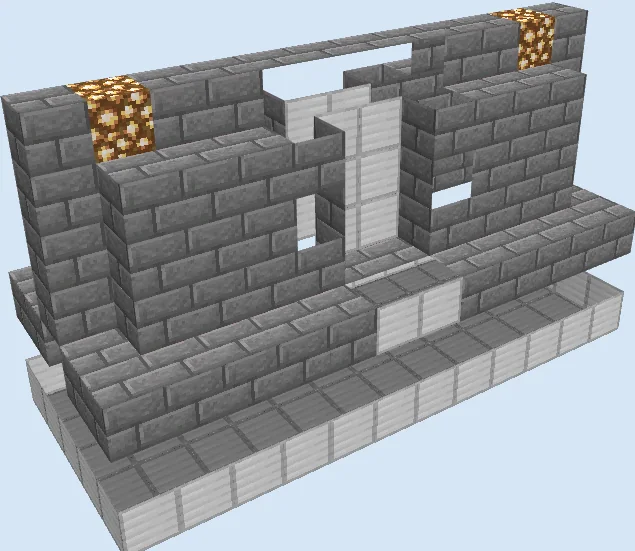
The mechanism relies on two sets of six sticky pistons arranged on either side of the doorway. When powered, the primary piston banks extend forward, carrying secondary pistons and the door blocks into the doorway opening. The secondary pistons then fire, pushing the door blocks flush with the front wall surface.
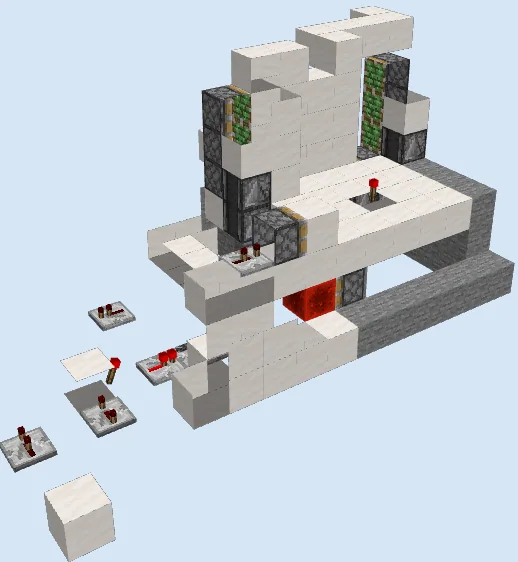
Repeater timing on top of the quartz frame coordinates this two-stage movement. When the redstone signal is turned off, the repeaters ensure the secondary pistons retract first before the main piston banks pull the blocks back into the wall, clearing a 2x2 walkway.
How to use it
Connect a redstone input, such as a hidden lever, button circuit, or pressure plate line, to the central redstone wire along the top. Turning the power on extends the pistons and seals the doorway flush, while cutting power retracts the pistons to reveal an open two-block-wide passage.
Position the Sticky Pistons
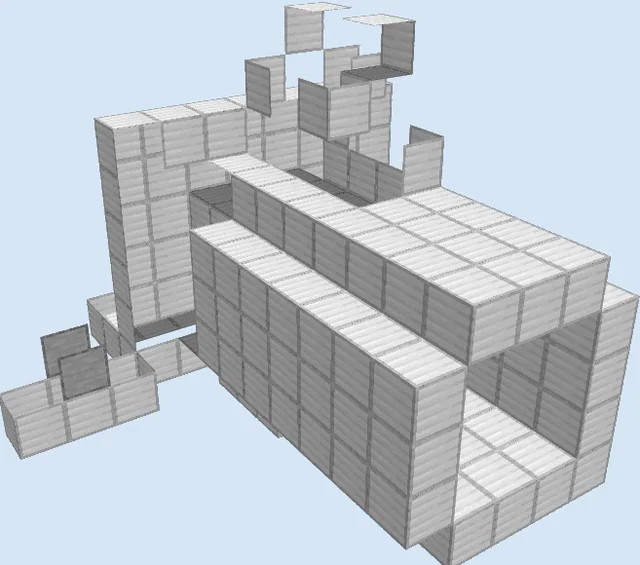
Clear a 6x4x3 area. Place two sets of four sticky pistons arranged in a 2x2 grid facing toward the hallway, with two additional sticky pistons facing toward the front wall on each side, totaling twelve sticky pistons.
Install the Door Blocks and Frame
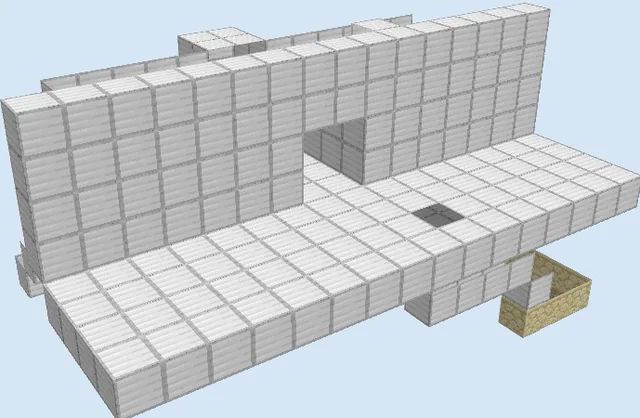
Attach four quartz blocks directly to the faces of the inner sticky pistons. Frame the entryway with additional quartz blocks to form the surrounding wall and ceiling structure.
Wire the Top Timing Circuit
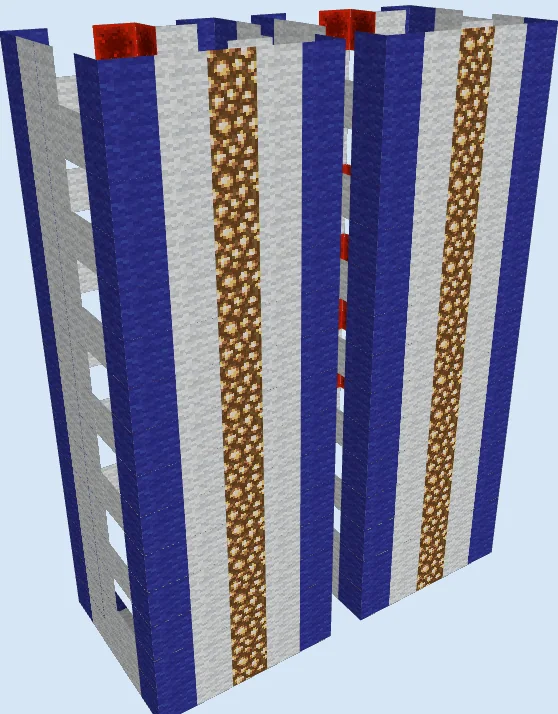
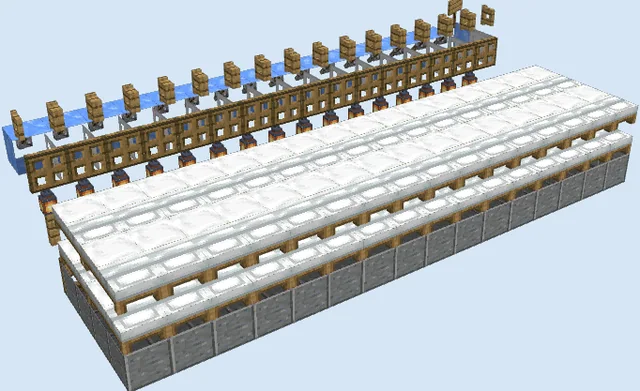
Construct a platform of quartz blocks across the top of the pistons. Place two redstone repeaters set to two ticks above the door blocks, and run eight pieces of redstone wire across the roof to connect both sides to your central input.
Finishing touches
Before sealing your walls, test the door with a temporary lever on the top circuit to confirm both sides extend flush and retract cleanly. If the blocks fail to retract fully, check that your repeaters are set to the correct tick delay. Ensure you light the internal redstone cavity to prevent hostile mob spawns.
Frequently Asked Questions
Can I use normal pistons instead of sticky pistons?
No, all twelve pistons must be sticky pistons. Normal pistons cannot pull blocks or other pistons back into the wall during the opening cycle.
Why are the door blocks not retracting properly?
Check the redstone repeaters on top of the build. If they are set to default one-tick delay instead of two ticks, the pistons will not cycle in the proper sequence to retract the door blocks.
How do I hook this up to an opening switch?
Run a redstone dust line from a lever or button circuit directly into the top redstone wire. An inverted signal or toggle flip-flop allows you to open and close it from both sides of the wall.